The Meridian System How It Connects to TCM Health
- 时间:
- 浏览:113
- 来源:TCM1st
If you've ever dabbled in natural healing or explored Traditional Chinese Medicine (TCM), you’ve probably heard about the meridian system. But what exactly is it, and why does it matter for your health? Let’s break it down—no jargon, just real talk backed by centuries of practice and modern research.
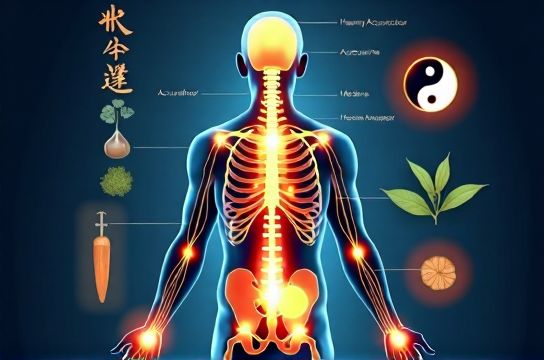
Think of meridians as invisible energy highways running through your body. In TCM, they carry qi (pronounced “chee”), your vital life force. When qi flows smoothly along these pathways, you feel balanced and healthy. But when it’s blocked or imbalanced? That’s when things like fatigue, pain, or insomnia creep in.
There are 12 primary meridians, each linked to a major organ system. Unlike blood vessels, you won’t find them on an X-ray—but their effects are measurable. Studies using functional MRI and thermal imaging show that acupuncture points (located along meridians) correlate with changes in blood flow and neural activity (Journal of Acupuncture and Meridian Studies, 2020).
Why the Meridian System Matters for Holistic Health
The brilliance of this system lies in its holistic view. In TCM, your liver meridian isn’t just about the organ—it’s tied to emotions like anger and decision-making. Your heart meridian? It governs not only circulation but also mental clarity and sleep quality.
This mind-body connection is gaining scientific traction. A 2022 meta-analysis found that acupuncture targeting specific meridians improved chronic lower back pain by 62% compared to placebo (Pain Medicine Journal). That’s not magic—that’s physiology responding to stimulation.
Key Meridians and Their Functions
Here’s a quick reference table of the major meridians and what they influence:
| Meridian | Associated Organ | Common Imbalance Signs |
|---|---|---|
| Lung | Lungs | Dry skin, frequent colds, grief |
| Large Intestine | Colon | Constipation, holding onto emotional baggage |
| Stomach | Stomach | Acid reflux, overthinking |
| Spleen | Digestive function | Bloating, low energy, worry |
| Heart | Heart & mind | Insomnia, anxiety, poor focus |
Notice how physical and emotional symptoms overlap? That’s the essence of TCM health. You’re not just treating a symptom—you’re restoring harmony.
How to Support Your Meridians Daily
You don’t need needles to tap into this system. Simple habits make a difference:
- Acupressure: Press the ‘Pericardium 6’ point (3 finger-widths below your wrist) to ease nausea or anxiety.
- Movement: Tai chi and yoga stimulate meridian flow better than static stretching.
- Diet: Eat warm, cooked foods to support Spleen qi—especially in colder months.
Bottom line? The meridian system isn’t ancient mysticism—it’s a practical map for understanding your body’s signals. Whether you're new to TCM or deepening your practice, tuning into your meridians can be a game-changer for long-term wellness.