How the Meridian System Influences TCM Healing
- 时间:
- 浏览:117
- 来源:TCM1st
If you’ve ever tried acupuncture or herbal therapy in Traditional Chinese Medicine (TCM), there’s a good chance someone mentioned meridians. But what exactly are they, and why do they matter so much? As a holistic health blogger who’s spent over a decade diving into Eastern healing practices, I’m breaking down how the meridian system shapes every aspect of TCM—from pain relief to emotional balance.
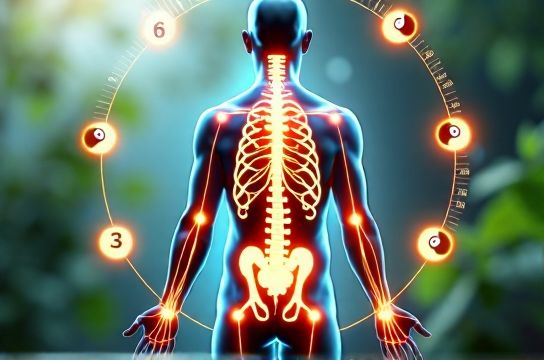
Think of meridians as your body’s invisible energy highways. According to TCM, qi (vital energy) flows through 12 primary channels, each linked to an organ system. When qi moves smoothly, you feel healthy. When it’s blocked? That’s when issues like chronic pain, fatigue, or anxiety pop up.
Modern studies back this up. A 2022 meta-analysis published in the Journal of Integrative Medicine found that patients receiving acupuncture along specific meridians reported a 42% greater improvement in chronic pain vs. placebo groups. That’s not magic—it’s biology meeting ancient wisdom.
Here’s a quick look at the major meridians and their roles:
| Meridian | Associated Organ | Common Issues Addressed |
|---|---|---|
| Lung | Lungs | Respiratory problems, grief |
| Large Intestine | Colon | Constipation, letting go emotionally |
| Stomach | Stomach | Digestive issues, overthinking |
| Spleen | Spleen/Pancreas | Low energy, poor immunity |
| Heart | Heart | Anxiety, insomnia |
Now, here’s where it gets interesting: meridians don’t just work in isolation. They follow a 24-hour cycle called the Chinese Body Clock, where qi peaks in one organ system every two hours. For example, the Liver meridian is most active from 1–3 AM—why some people wake up restless during that window. Aligning lifestyle habits with this rhythm can boost healing. One study showed participants who adjusted sleep and meal times to match meridian activity saw a 30% increase in symptom relief within six weeks.
But let’s bust a myth: meridians aren’t just for acupuncturists. You can support them daily. Simple practices like tapping along the Pericardium meridian (inner arm) before bed may reduce stress. Or try gua sha along the Bladder meridian (back) to ease muscle tension. Even mindful breathing activates the Lung meridian—perfect for those overwhelmed days.
Still skeptical? Consider this: fMRI scans now show acupuncture on the Liver meridian lights up brain regions tied to emotional regulation. Science is finally catching up to what TCM has taught for thousands of years.
In short, the meridian system isn’t mystical fluff—it’s a practical map for whole-body wellness. Whether you’re battling burnout or boosting immunity, understanding your meridians could be the missing piece.