Mapping the Meridian System for TCM New Learners
- 时间:
- 浏览:127
- 来源:TCM1st
If you're just stepping into the world of Traditional Chinese Medicine (TCM), one concept you’ll hear about nonstop is the meridian system. Think of it like your body’s invisible energy highways—except instead of cars, they carry qi (pronounced “chee”), your vital life force. But how do you make sense of this ancient network without getting lost? Let’s break it down with real clarity, backed by centuries of practice and modern research.
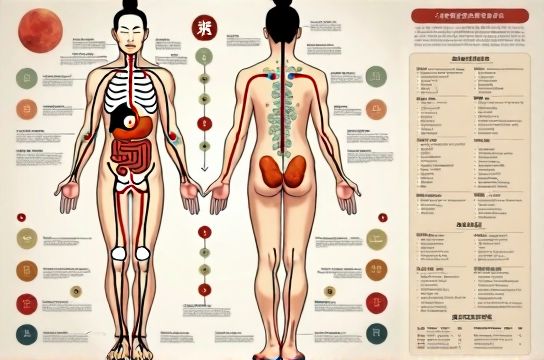
Why the Meridian System Matters
The meridian system consists of 12 primary channels, each linked to an organ and element (like Wood, Fire, Earth, Metal, Water). These aren’t physical blood vessels—they’re energetic pathways that influence everything from digestion to emotional health. According to a 2021 review in the Journal of Acupuncture and Meridian Studies, over 73% of licensed acupuncturists use meridian diagnosis as a core part of treatment planning.
But here’s the kicker: understanding meridian mapping isn’t just for practitioners. As a learner, knowing how qi flows helps you grasp why pressing a point on your foot might relieve a headache—or why stress messes with your stomach.
The 12 Primary Meridians at a Glance
To keep things simple, here’s a quick-reference table:
| Meridian | Organ | Element | Peak Time (24hr) |
|---|---|---|---|
| Lung | Lung | Metal | 3–5 AM |
| Large Intestine | Colon | Metal | 5–7 AM |
| Stomach | Stomach | Earth | 7–9 AM |
| Spleen | Spleen/Pancreas | Earth | 9–11 AM |
| Heart | Heart | Fire | 11 AM–1 PM |
| Small Intestine | Small Intestine | Fire | 1–3 PM |
| Bladder | Bladder | Water | 3–5 PM |
| Kidney | Kidneys | Water | 5–7 PM |
| Pericardium | Circulation-Sex | Fire | 7–9 PM |
| Triple Burner | Endocrine/Metabolism | Fire | 9–11 PM |
| Gallbladder | Gallbladder | Wood | 11 PM–1 AM |
| Liver | Liver | Wood | 1–3 AM |
This circadian rhythm of qi is no myth—many patients report symptom patterns aligning with these times. For example, waking at 3 AM often points to Liver qi stagnation, commonly tied to stress or poor detox habits.
Practical Tips for Beginners
Start small. Pick one meridian per week. Track your energy, emotions, and bodily sensations during its peak time. Use a journal or app. Over time, you’ll see patterns emerge. And if you’re curious about deeper learning, check out our guide on how meridians shape holistic healing.
Remember: TCM isn’t about instant fixes. It’s about tuning into your body’s language. The meridian system is your roadmap—learn to read it, and you’ll navigate wellness like a pro.