Meridian System Basics How Energy Pathways Work
- 时间:
- 浏览:147
- 来源:TCM1st
If you’ve ever dabbled in holistic health, acupuncture, or Traditional Chinese Medicine (TCM), you’ve probably heard about the meridian system. But what exactly are meridians, and why do they matter for your overall well-being? Let’s break it down—no jargon, just real talk.
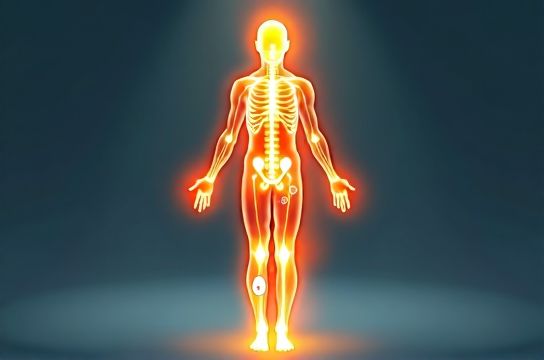
Think of meridians as invisible highways inside your body. Instead of cars, they carry qi (pronounced “chee”)—your vital life energy. According to TCM, when qi flows smoothly through these pathways, you feel balanced and healthy. When it’s blocked or sluggish? That’s when fatigue, pain, or illness can creep in.
There are 12 primary meridians, each linked to a major organ system. They run bilaterally (left and right) and follow specific paths from your limbs to your torso and head. For example, the Lung Meridian starts in the chest and travels down the inner arm to the thumb. Yep—your pinky finger is part of the Small Intestine Meridian. Wild, right?
To help you visualize how this all connects, here’s a quick reference table:
| Meridian | Associated Organ | Main Functions |
|---|---|---|
| Lung | Lungs | Respiration, immune defense |
| Large Intestine | Colon | Elimination, detox |
| Stomach | Stomach | Digestion, nutrient absorption |
| Spleen | Spleen/Pancreas | Energy production, immunity |
| Heart | Heart | Circulation, emotional balance |
| Small Intestine | Small Intestine | Nutrient separation, clarity |
Now, you might be thinking: "Is there any science behind this?" While Western medicine doesn’t recognize qi as a measurable force, studies show that acupuncture—based on meridian points—can relieve chronic pain and reduce stress. A 2018 meta-analysis in the Journal of Pain found acupuncture effective for conditions like migraines and osteoarthritis in over 20,000 patients.
So how can you keep your meridian system flowing freely? Here are three proven methods:
- Acupuncture: Fine needles at key points stimulate energy flow. Great for pain, anxiety, and sleep.
- Exercise: Tai chi and yoga follow meridian lines naturally. Even walking helps circulate qi.
- Self-massage: Tap along the arms (Lung and Large Intestine meridians) or rub the soles of your feet—home to reflex zones tied to major organs.
One underrated trick? Gua sha, an ancient scraping technique using a smooth tool on oiled skin. It boosts circulation and breaks up stagnation—perfect if you’re always stiff at the desk.
The bottom line? Whether you’re all-in on energy healing or just curious, understanding your body’s subtle systems can empower your health journey. Start small: notice how you feel after a walk, a deep breath, or a quiet moment. Your meridians are listening.