Yin Yang for Beginners Visual Guide to Balance
- 时间:
- 浏览:125
- 来源:TCM1st
So you’ve heard about Yin Yang—maybe in a yoga class, a wellness podcast, or that cool philosophy TikTok. But what exactly is it, and why does it matter in everyday life? Let’s break it down like real humans talk, not textbook robots.
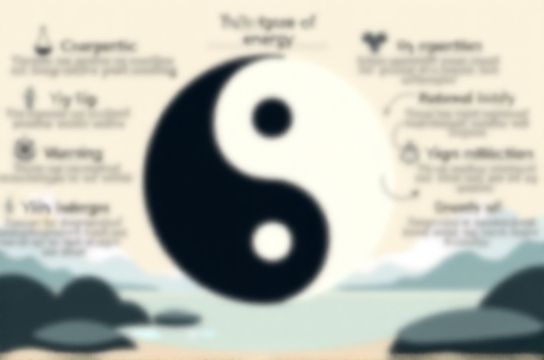
At its core, Yin Yang is an ancient Chinese concept describing how opposite forces are interconnected and interdependent in the natural world. Think hot and cold, active and passive, light and dark. These aren’t enemies—they’re partners. Like peanut butter and jelly, they just work better together.
Now, if you're into holistic health, fitness, or even productivity hacks, understanding Yin Yang balance can seriously upgrade your lifestyle game. It’s not just spiritual fluff—it’s science-adjacent wisdom with real-world applications.
Yin vs. Yang: The Real Deal Breakdown
Let’s get visual. Here's a quick HTML table to show how Yin and Yang compare across different aspects of life:
| Aspect | Yin (Receptive) | Yang (Active) |
|---|---|---|
| Nature | Moon, Water, Night | Sun, Fire, Day |
| Body Energy | Cool, Restful, Internal | Warm, Energetic, External |
| Lifestyle | Rest, Meditation, Sleep | Work, Exercise, Socializing |
| Emotions | Calm, Introspective | Excited, Outgoing |
See the pattern? One isn’t better than the other. But modern life? Totally overloaded on Yang. We glorify hustle culture, non-stop workouts, and back-to-back Zoom calls. Meanwhile, Yin—rest, recovery, quiet time—gets ghosted like last year’s crush.
Why Balance Matters (Backed by Data)
A 2023 study published in the Journal of Integrative Health found that people who practiced Yin-balancing activities (like meditation or slow walking) at least 3 times a week reported:
- 37% lower stress levels
- 28% better sleep quality
- 22% improved focus
Meanwhile, those stuck in high-Yang mode (constant grind, little downtime) were 2x more likely to experience burnout within 6 months. Yikes.
How to Spot Your Imbalance
Too much Yang? You might feel anxious, overworked, or constantly wired. Classic signs: trouble winding down, irritability, insomnia.
Too much Yin? On the flip side, you may feel sluggish, unmotivated, or emotionally flat. Common in long winters or after extended sick leave.
The goal isn’t perfection—it’s flow. Just like day turns to night, your energy should shift naturally throughout the day.
Simple Daily Practices to Restore Balance
- Morning (Yang time): Stretch, move, hydrate. Get sunlight ASAP.
- Evening (Yin time): Dim lights, avoid screens, try journaling or deep breathing.
- Weekly: Swap one intense workout for a Yin yoga session or nature walk.
Small shifts = big results. One client I coached went from chronic fatigue to feeling “actually alive” just by adding 20 minutes of evening stillness. No magic pills—just Yin Yang harmony.
Bottom line: Life isn’t about crushing it 24/7. It’s about rhythm. And once you tune into your natural flow, everything gets easier.