Yin Yang for Beginners Recognizing Imbalance Signs
- 时间:
- 浏览:115
- 来源:TCM1st
So, you’ve heard about Yin and Yang—maybe in a yoga class, a wellness podcast, or that cool Taoist quote on Instagram. But what does it actually mean for your health and daily life? As someone who’s spent over a decade diving into Eastern philosophy and holistic health, let me break it down in plain English (no mysticism required).
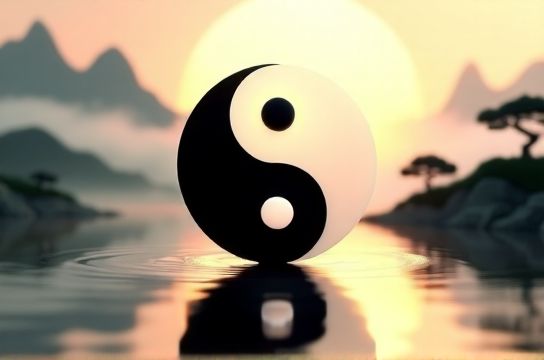
At its core, Yin Yang theory is all about balance. Think of it like the universe’s version of homeostasis. Yin represents the cool, calm, inward energy—like moonlight, rest, and reflection. Yang is warm, active, outward—like sunlight, movement, and action. When these forces are in harmony, you feel energized yet peaceful, focused but relaxed.
But modern life? It’s Yang-overload city. Constant emails, workouts, stimulants… no wonder so many people feel burned out. The key isn’t to eliminate Yang—it’s to recognize when Yin Yang imbalance starts creeping in.
Common Signs of Yin Yang Imbalance
Here’s a quick-reference table based on clinical observations and traditional Chinese medicine (TCM) diagnostics:
| Imbalance Type | Physical Signs | Emotional/Mental Signs |
|---|---|---|
| Excess Yang | Hot flashes, insomnia, high blood pressure | Irritability, anxiety, restlessness |
| Deficient Yin | Dry skin, night sweats, chronic fatigue | Mental fog, low mood, poor focus |
| Excess Yin | Swelling, low body temp, sluggish digestion | Lethargy, brain fog, detachment |
| Deficient Yang | Cold hands/feet, low libido, weak immunity | Depression, lack of motivation |
This isn’t just ancient philosophy—modern studies back it up. A 2021 review in the Journal of Integrative Medicine found that patients with chronic stress showed measurable shifts in autonomic nervous system activity aligning with TCM-defined Yang excess patterns.
How to Restore Balance (Without Quitting Your Job)
- For Yang Overdrive: Prioritize Yin-building habits—early bedtime, cooling foods (cucumber, melon), meditation. Try ‘earthing’ (walking barefoot on grass) to discharge excess energy.
- For Yin Deficiency: Hydrate with herbal teas (chrysanthemum, licorice), add healthy fats (avocado, sesame oil), and schedule digital detox hours.
- For Cold & Sluggish (Yin Excess): Warm meals, ginger tea, light movement like tai chi. Avoid raw, cold foods.
- Low Energy (Yang Deficiency): Protein-rich breakfasts, warming spices (cinnamon, turmeric), morning sunlight exposure.
One real-world example: A client working in tech came to me with insomnia and afternoon crashes. After tracking her routine, we spotted the issue—constant coffee, late-night screen time, zero downtime. We shifted her rhythm: green tea instead of coffee, phone off by 9 PM, 10 minutes of breathwork nightly. Within three weeks? Deeper sleep, fewer cravings, better focus. Classic Yang excess corrected with simple Yin practices.
The bottom line? You don’t need to become a monk to benefit from Yin Yang balance. Just start noticing your body’s signals. Are you overheating? Burnt out? Cold and slow? Adjust accordingly. It’s not magic—it’s mindful living.