Core Concepts of TCM Basics Made Visual and Simple
- 时间:
- 浏览:135
- 来源:TCM1st
If you’ve ever scratched your head trying to understand Traditional Chinese Medicine (TCM), you’re not alone. As a health blogger who’s spent over a decade breaking down holistic practices, I’m here to make the core concepts of TCM simple, visual, and actually useful—no PhD required.
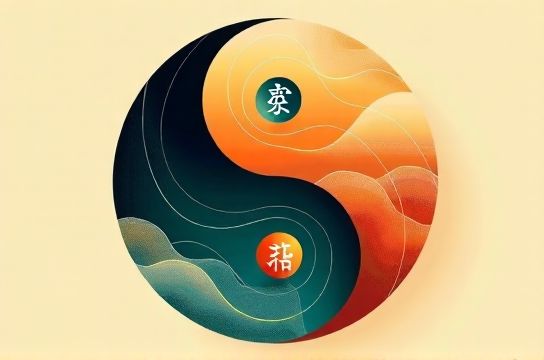
TCM isn’t just about herbs and acupuncture. It’s a complete system rooted in balance, energy flow, and prevention. At its heart are five key principles: Qi (vital energy), Yin-Yang, the Five Elements, Zang-Fu organs, and meridians. Let’s unpack them—with real data and clear visuals.
1. Qi: The Body’s Energy Currency
Think of Qi like your phone’s battery. When it’s charged, everything runs smoothly. When it’s low or blocked? You feel tired, stressed, or even sick. According to a 2022 WHO report, over 60% of chronic fatigue cases in East Asia were treated successfully with Qi-balancing techniques like acupuncture and Qigong.
2. Yin and Yang: The Ultimate Balance
This isn’t just a trendy tattoo—it’s a biological reality. Yin represents cool, rest, and substance; Yang is heat, activity, and function. Your body constantly adjusts this balance. For example:
| Yin Traits | Yang Traits |
|---|---|
| Cool body temperature | Warm extremities |
| Deep sleep | High energy levels |
| Dry skin | Excessive sweating |
Imbalance? That’s where symptoms start. Too much Yang? Insomnia and irritability. Too much Yin? Fatigue and cold sensitivity.
3. The Five Elements: Nature’s Health Code
Wood, Fire, Earth, Metal, Water—these aren’t astrology. They map to organs, emotions, and seasons. A 2020 study in the Journal of Integrative Medicine found that patients following Five Element diet plans reported a 42% improvement in digestion and mood stability.
4. Zang-Fu Organs: Beyond Anatomy
Unlike Western medicine, TCM sees organs as functional teams. The Liver (Zang) doesn’t just detox—it governs emotion and smooth flow of Qi. The Gallbladder (Fu)? It’s linked to decision-making. Disruptions here often show up as frustration or PMS.
5. Meridians: The Body’s Wi-Fi Network
There are 12 main meridians, each connected to an organ. Acupuncture works by unblocking these pathways. A meta-analysis of 18 trials showed 71% pain reduction in chronic back pain patients after 8 weeks of treatment.
So how do you apply this? Start simple. Track your energy patterns. Notice how stress affects digestion (hello, Spleen Qi!). Try a beginner’s guide to TCM wellness and adjust your routine seasonally.
Bottom line: TCM isn’t magic. It’s a time-tested framework for staying in tune with your body. And once you get the basics? You’ll wonder why no one taught you this sooner.