Yin Yang for Beginners Balancing Opposites in Daily Life
- 时间:
- 浏览:200
- 来源:TCM1st
So you’ve heard about Yin Yang—maybe from a wellness influencer, a yoga class, or that cool philosophy podcast. But what does it *really* mean to balance opposites in daily life? Let’s cut through the noise and break it down like real humans talking over coffee.
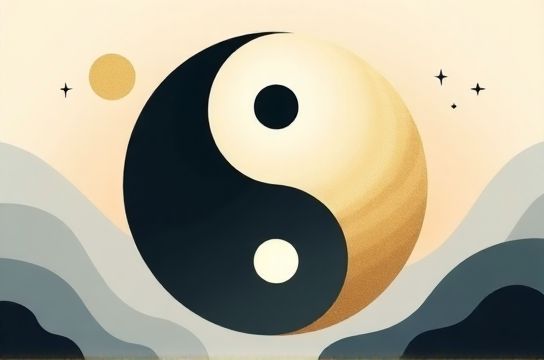
Originating from ancient Chinese philosophy, Yin Yang isn’t just a symbol on a tote bag—it’s a dynamic framework for understanding how opposing forces work together. Think light and dark, rest and action, introversion and extroversion. The key? They’re not enemies. They’re partners.
Modern life tends to glorify yang energy—hustle, speed, productivity. But too much yang leads to burnout. On the flip side, excessive yin (like endless Netflix binges) brings lethargy. True well-being comes from harmony.
Yin Yang in Action: Real-Life Examples
Let’s get practical. Here’s how Yin and Yang show up in everyday routines:
| Area of Life | Yin Energy (Receptive) | Yang Energy (Active) |
|---|---|---|
| Work | Strategic planning, reflection | Executing tasks, meetings |
| Exercise | Yoga, stretching, rest days | HIIT, running, weight training |
| Sleep | 8+ hours, deep rest | Early rising, morning routines |
| Diet | Cooling foods (cucumber, tofu) | Warming foods (ginger, meat) |
See the pattern? Balance isn’t about 50/50 all the time—it’s about awareness and adjustment. Feeling drained? Lean into Yin practices like meditation or quiet walks. Too restless? Channel yang with movement or focused work.
Why This Matters Now More Than Ever
A 2023 study by the World Health Organization found that over 60% of adults report chronic stress—largely due to imbalance in daily rhythms. Meanwhile, traditional systems like Taoism have taught Yin Yang harmony for over 2,500 years. Coincidence? Nah.
The beauty of this model is its flexibility. You don’t need to become a monk. Just start small:
- Morning: 5 minutes of stillness (yin) before checking your phone (yang).
- Workday: Alternate 90-minute focus blocks (yang) with 20-minute breaks (yin).
- Evening: Swap screen time for journaling or tea rituals (hello, yin).
Over time, you’ll notice better sleep, sharper focus, and less emotional rollercoasting.
Final Thought: It’s a Practice, Not Perfection
Balancing Yin Yang isn’t about hitting a mystical equilibrium. It’s about tuning in—daily. Some days will be yang-heavy (launching a project), others deeply yin (recovering from illness). And that’s okay.
The goal? Become fluent in your own energy language. When you do, life doesn’t just feel easier—it feels more meaningful.