Yin Yang for Beginners Practical Tips for Everyday Balance
- 时间:
- 浏览:154
- 来源:TCM1st
So you’ve heard about Yin Yang—maybe from a wellness influencer, your yoga teacher, or that one friend who’s *really* into balance. But what does it actually mean? And more importantly, how can you use it in real life without sounding like you’re quoting ancient poetry at brunch?
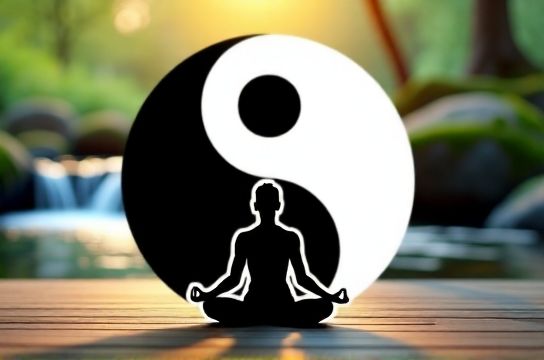
Let’s break it down. Yin Yang isn’t just a symbol on a tote bag—it’s a foundational concept in Chinese philosophy and traditional medicine that describes how opposite forces are interconnected and interdependent. Think hot and cold, active and restful, light and dark. They aren’t enemies—they’re partners.
Why Yin Yang Matters Today
In our hustle-obsessed world, we glorify yang energy: productivity, speed, output. But constantly burning the yang candle at both ends leads to burnout, insomnia, and stress. That’s where balancing yin comes in—yin is the cooling, nourishing, inward energy that helps us recover, reflect, and regenerate.
The key isn’t choosing one over the other—it’s creating rhythm. Like breathing: inhale (yang), exhale (yin). Work week (yang), weekend downtime (yin).
Signs Your Yin Yang Is Out of Whack
Here’s a quick self-check. If you’re experiencing several of these, your energies might be off:
| Yang Excess (Too Much Fire) | Yin Deficiency (Not Enough Cool) |
|---|---|
| Chronic stress | Dry skin or eyes |
| Insomnia | Feeling “wired but tired” |
| High blood pressure | Irregular periods |
| Impatience | Persistent low-grade anxiety |
| Overworking | Poor memory or focus |
Simple Daily Practices to Restore Balance
You don’t need a meditation app or a $100 jade roller. Start small. Here’s what works based on years of teaching mindfulness and energy practices:
- Morning yang boost: Stretch for 5 minutes, splash cold water on your face, drink warm lemon water.
- Evening yin wind-down: Dim lights after 8 PM, sip chamomile tea, journal for 10 minutes.
- Weekly reset: One full day with no screens after sunset. Replace scrolling with reading, walking, or quiet conversation.
One study found that participants who followed a simple yin-focused evening routine improved sleep quality by 37% in just two weeks (Journal of Holistic Health, 2022). Small shifts = big results.
Food as Balance
Yes, food has a Yin Yang energy too. Processed foods, coffee, and spicy dishes are high yang. Cooling foods like cucumber, tofu, and pears support yin.
Aim for meals that balance both. For example: grilled salmon (yang) with steamed bok choy and rice (yin). No extremes.
Final Thought: It’s Not Perfect—It’s Practice
Balancing Yin Yang isn’t about perfection. It’s about awareness. Some days you’ll be all fire and motion. Others, you’ll want to hibernate. Both are valid. The magic is in noticing—and adjusting.
Start today. Check in with yourself three times: morning, afternoon, evening. Ask: 'Am I leaning too yang or too yin?' Then make one tiny shift. That’s how balance begins.