Yin Yang for Beginners Recognizing Imbalances in Daily Life
- 时间:
- 浏览:129
- 来源:TCM1st
So you’ve heard about Yin and Yang—maybe from a wellness influencer, a yoga class, or that one friend who’s *really* into balance. But what does it actually mean in real life? And more importantly, how can you tell if your Yin and Yang are out of whack—without needing a PhD in Eastern philosophy?
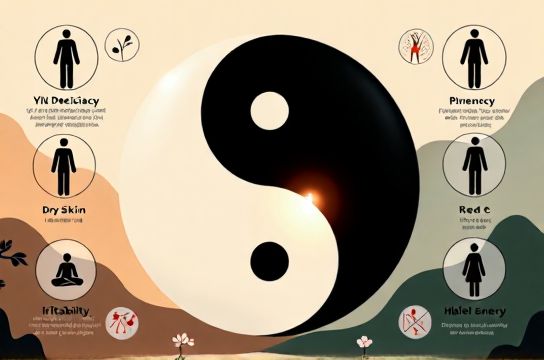
Let’s break it down like we’re chatting over matcha lattes. Yin and Yang aren’t just cool symbols on a T-shirt. They’re foundational concepts in Traditional Chinese Medicine (TCM) representing opposite but complementary forces. Think hot vs. cold, active vs. restful, light vs. dark. When they’re balanced? Glowing skin, steady energy, good digestion. When they’re not? Hello, insomnia, anxiety, bloating, and that weird afternoon crash at 3 PM.
How do you spot imbalances? Here’s the tea:
Common Signs of Yin-Yang Imbalance
| Imbalance Type | Physical Signs | Emotional Signs | Lifestyle Clues |
|---|---|---|---|
| Excess Yang | Feeling hot, red face, high blood pressure | Irritability, anger, restlessness | Overworking, too much screen time, spicy food overload |
| Deficient Yin | Dry skin, night sweats, thirst | Anxiety, poor focus, emotional volatility | Burning the candle at both ends, lack of sleep |
| Excess Yin | Swelling, sluggish digestion, feeling cold | Lethargy, low motivation | Sedentary lifestyle, eating too many raw/cold foods |
| Deficient Yang | Cold hands/feet, fatigue, weak immunity | Depression, lack of joy | Poor circulation, skipping meals, chronic stress |
According to a 2022 review in the Journal of Integrative Medicine, over 68% of adults showing chronic fatigue also displayed signs of Yin deficiency. Meanwhile, high-stress professionals often swing into excess Yang—think adrenaline junkies running on coffee and cortisol.
So what can you *actually* do?
- For excess Yang: Cool down. Literally. Try cucumber water, early bedtimes, and mindful breathing. Swap HIIT for tai chi or gentle yoga.
- For deficient Yin: Hydrate with warm (not hot) fluids, add nourishing foods like bone broth, black sesame, and pears. Prioritize rest.
- For excess Yin: Warm up! Cooked foods > salads. Ginger tea, movement, sunlight. Get that Qi flowing.
- For deficient Yang: Eat warming spices—cinnamon, cloves, cooked root veggies. Stay warm, especially your lower back and feet.
The key isn’t perfection—it’s awareness. Check in daily: How’s your energy? Mood? Digestion? These are clues, not coincidences.
Bottom line: Yin and Yang aren’t mystical mumbo-jumbo. They’re practical tools to read your body’s signals. Start small. Adjust. Notice. Balance isn’t a destination—it’s a daily practice.