Yin Yang for Beginners Dietary Choices for Balanced Living
- 时间:
- 浏览:159
- 来源:TCM1st
So you’ve heard about Yin Yang eating—maybe from a wellness influencer, your yoga teacher, or that friend who suddenly went all-in on plant-based meals and morning meditation. But what does it actually mean? And more importantly, can this ancient Chinese philosophy really help you eat better and feel more balanced?
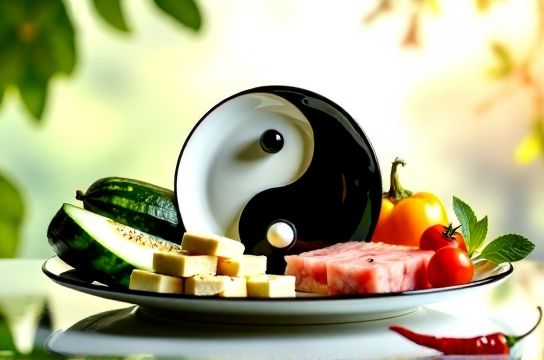
Let’s break it down—no mysticism, just practical insights backed by tradition and modern understanding.
What Is Yin Yang in Diet?
In Traditional Chinese Medicine (TCM), everything has a yin yang balance. Yin represents cool, moist, calming energy; yang stands for warm, dry, energizing force. Your body thrives when these forces are in harmony. When your diet skews too yin (think raw salads, sugar, caffeine) or too yang (hello, grilled meats, alcohol, spicy foods), imbalance follows—digestive issues, fatigue, mood swings.
Foods That Balance Your Energy
The key is choosing foods based on your body type and lifestyle. Here's a quick guide:
| Food Type | Yin Level | Yang Level | Best For |
|---|---|---|---|
| Steamed vegetables | Moderate | Moderate | Balanced digestion |
| Watermelon | High | Low | Hot climates, overheating |
| Lean fish (e.g., cod) | Moderate-High | Low-Moderate | Cooling without weakening |
| Chicken (especially soup) | Low | High | Cold seasons, low energy |
| Black beans | Moderate | Moderate | Kidney health, stamina |
Notice a pattern? Cooking methods matter! Steaming and boiling increase yin; frying and grilling boost yang. So even if you’re eating healthy food, how you prepare it changes its energetic impact.
Real-Life Example: The Office Worker vs. The Athlete
Meet Sarah: a desk-bound designer who drinks iced coffee all day and snacks on granola bars. She’s high-yin, low-digestive-fire—classic symptoms: bloating, afternoon crashes. Solution? Warm meals, cooked veggies, herbal teas. Shift her diet slightly more yang, and her energy stabilizes.
Now meet Jake: a CrossFit enthusiast who eats steak, sautéed greens, and loves hot sauce. He’s super yang—great for workouts, but he struggles with insomnia and irritability. Cooling foods like cucumber, tofu, and pears bring him back into alignment.
How to Start Your Yin Yang Journey
- Observe your body: Are you always cold? Lean into yang. Always sweating? Cool down with yin.
- Seasonal eating: Summer calls for watermelon and mung beans (yin). Winter? Think soups, root vegetables, ginger (yang).
- Chew slowly: Digestion starts in the mouth—and calm eating supports balance.
If you're new to this, start small. Swap one raw meal a day for a warm bowl of quinoa and steamed broccoli. Notice how you feel after a week. This isn’t about perfection—it’s about awareness.
Ultimately, mastering dietary yin yang means tuning into your body’s signals. No app, no test, just mindfulness. And honestly? That’s the most powerful tool we have.