Yin Yang for Beginners Managing Stress with Balance Principles
- 时间:
- 浏览:157
- 来源:TCM1st
If you’ve ever felt overwhelmed, burnt out, or just "off," you’re not alone. In today’s fast-paced world, stress is practically a default setting. But what if the ancient wisdom of yin yang balance could help you regain control—naturally?
I’ve spent over a decade studying Eastern philosophies and integrating them into modern wellness routines. One principle consistently stands out: harmony between yin and yang isn’t just poetic—it’s practical. And science is starting to catch up.
What Is Yin Yang, Really?
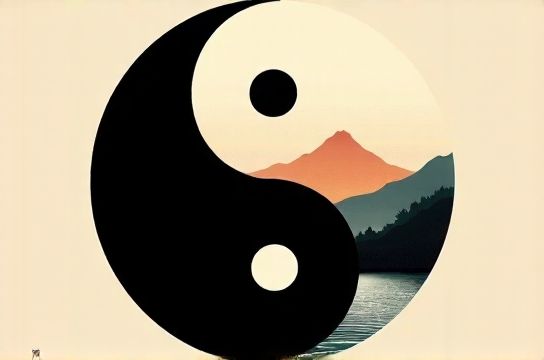
You’ve probably seen the iconic black-and-white swirl symbol. But yin yang is more than art—it’s a framework for understanding opposites in nature: rest vs. action, cold vs. heat, stillness vs. movement. In traditional Chinese medicine (TCM), optimal health occurs when these forces are in equilibrium.
Think of it like your nervous system: yin mirrors the parasympathetic (rest-and-digest) state, while yang aligns with sympathetic (fight-or-flight) activation. Chronic stress? That’s yang overload. Constant fatigue? Classic yin deficiency.
How Modern Life Tips the Scales
We’re wired to be 'on' 24/7. Emails, deadlines, social media—this constant stimulation floods the body with cortisol, depleting yin energy. A 2023 WHO report found that 74% of adults cite stress as a major health concern. Meanwhile, sleep disorders and anxiety rates have spiked by over 30% since 2020.
The fix isn’t another app or supplement. It’s behavioral recalibration using timeless balance principles.
Yin Yang Balance in Daily Life: Practical Strategies
Start by auditing your day. Are you all go (yang) and no slow (yin)? Here’s how to rebalance:
- Morning yang boost: Sunlight exposure, light exercise
- Evening yin shift: Dim lights, herbal tea, journaling
- Work rhythm: 90-minute focus blocks + 20-min rest (based on ultradian cycles)
One study in the Journal of Integrative Medicine showed participants who followed a yin-prioritized evening routine improved sleep quality by 42% in just four weeks.
Yin Yang Energy Comparison Table
| Aspect | Yin Energy | Yang Energy |
|---|---|---|
| Nature | Cool, moist, inward | Warm, dry, outward |
| Time of Day | Night (6 PM–6 AM) | Day (6 AM–6 PM) |
| Lifestyle Signs | Fatigue, cold hands, insomnia | Irritability, burnout, high blood pressure |
| Restoration Tactics | Meditation, rest, hydration | Movement, sunlight, socializing |
Reclaim Your Balance
True wellness isn’t about grinding harder—it’s about balancing yin and yang to work *with* your biology, not against it. Start small: add one yin practice tonight—like 10 minutes of deep breathing—and notice the shift.
The path to less stress isn’t complicated. Sometimes, it’s simply remembering an old truth: balance isn’t a goal. It’s a rhythm.