Yin Yang for Beginners Understanding Dynamic Balance Naturally
- 时间:
- 浏览:188
- 来源:TCM1st
So you’ve heard the term Yin Yang tossed around in yoga class, wellness blogs, or maybe that cool herbal tea shop downtown. But what does it *really* mean? And more importantly — how can it actually improve your daily life?
Let’s cut through the mystical fog. As someone who’s spent over a decade diving into Eastern philosophy and holistic health practices, I’m here to break down Yin Yang in real, usable terms — no fluff, just facts with a side of wisdom.
What Is Yin Yang? (Spoiler: It’s Not Just a Symbol)
At its core, Yin Yang is a Chinese philosophical concept describing how opposite forces are interconnected and interdependent in the natural world. Think hot and cold, rest and activity, inward and outward energy. These aren’t battling sides — they’re partners in balance.
Yin = receptive, cooling, downward, inward, dark
Yang = active, warming, upward, outward, light
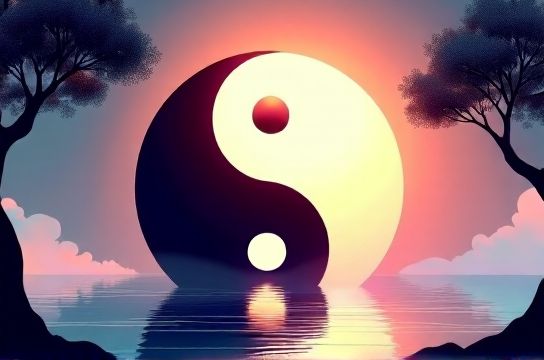
But here’s the kicker: nothing is 100% Yin or Yang. Even the symbol shows a dot of each inside the other — because pure extremes don’t exist in nature. Everything flows.
Why This Matters for Modern Life
We live in a Yang-dominant world. Hustle culture. Screens. Constant output. No wonder burnout is at an all-time high. According to a 2023 WHO report, stress-related illnesses have risen by 35% globally in the past decade. That’s a Yang overload.
Bringing back dynamic balance isn’t about doing more — it’s about aligning with natural rhythms. Here’s how:
Daily Rhythms & Your Body’s Natural Flow
| Time of Day | Energy Type | Recommended Activity |
|---|---|---|
| 5–7 AM | Yang rising | Morning walk, hydration |
| 7–9 AM | Strong Yang | Fuel up — eat a hearty breakfast |
| 11 AM–1 PM | Peak Yang | Deep work, meetings |
| 5–7 PM | Yin begins | Wind down, gentle stretching |
| 9–11 PM | Deep Yin | Sleep prep — no screens |
This rhythm mirrors circadian biology. Cortisol (awake hormone) peaks around 8 AM, melatonin (sleep hormone) rises after 9 PM. Work *with* your body, not against it.
Food as Balance: Eat Like Nature Intended
In Traditional Chinese Medicine (TCM), food has energetic properties. Cooling foods (Yin) calm inflammation. Warming foods (Yang) boost metabolism.
- Yin foods: cucumber, watermelon, tofu, green tea
- Yang foods: ginger, garlic, lamb, cinnamon
Seasonal eating = built-in balance. Eat cooling foods in summer (hello, salads), warming ones in winter (think soups). A 2022 study in Nutrition Today found people who ate seasonally reported 30% better digestion and energy stability.
Practical Tips to Restore Yin Yang Daily
- Breathe before reacting — pause = activate Yin calm
- Walk in nature — grounding (literally and energetically)
- Limit screen time after 8 PM — blue light disrupts Yin transition
- Try ‘energy check-ins’ — ask: Am I too fired up? Too drained? Adjust accordingly.
Balance isn’t a destination — it’s a constant dance. And once you tune in, you’ll notice: life gets smoother, clearer, and way more sustainable.