Unlocking the Secrets of the Meridian System in TCM
- 时间:
- 浏览:162
- 来源:TCM1st
If you’ve ever dabbled in holistic health or tried acupuncture, you’ve probably heard about the meridian system in TCM—Traditional Chinese Medicine’s ancient roadmap to energy flow. But what exactly are meridians, and why do they matter? Let’s break it down with real insight, backed by centuries of practice and modern research.
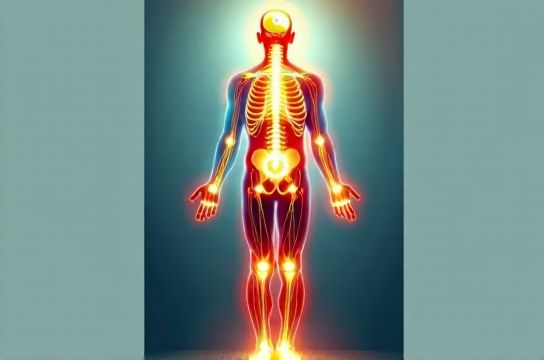
Think of meridians as invisible highways running through your body, carrying qi (pronounced “chee”), or vital energy. According to TCM, when qi flows smoothly along these pathways, you feel balanced and healthy. Blockages? That’s where pain, fatigue, or illness can creep in.
There are 12 primary meridians, each linked to a major organ system. They don’t match up with nerves or blood vessels—we’re talking energetic channels recognized through thousands of years of observation. Here’s a quick reference:
| Meridian | Associated Organ | Peak Time (Circadian Flow) |
|---|---|---|
| Lung | Lungs | 3–5 AM |
| Large Intestine | Colon | 5–7 AM |
| Stomach | Stomach | 7–9 AM |
| Spleen | Spleen/Pancreas | 9–11 AM |
| Heart | Heart | 11 AM–1 PM |
| Small Intestine | Small Intestine | 1–3 PM |
This circadian rhythm of qi is no myth—studies have found measurable changes in skin conductivity at these peak times, aligning with meridian theory (learn more about meridian science here). Cool, right?
Now, how do you use this knowledge? If you’re always waking up at 3 AM, it might not be stress—it could signal Lung meridian imbalance. Waking between 1–3 AM? That’s the Liver’s time. In TCM, emotional regulation and detox happen then, so irritability or poor sleep could point to Liver qi stagnation.
Acupuncturists stimulate specific points along these meridians—like LI4 (Hegu) for headaches or ST36 (Zusanli) for immunity. Research shows acupuncture can influence nervous system activity and reduce inflammation. One meta-analysis published in the Journal of Pain found real effects beyond placebo in chronic pain management.
But you don’t need needles to tap into the meridian system in TCM. Simple practices help: deep breathing supports Lung qi, while mindful movement like tai chi keeps energy flowing. Even tapping (yes, like Emotional Freedom Technique) follows meridian lines and has shown promise in reducing anxiety.
The takeaway? Your body’s energy system isn’t just mystical fluff—it’s a framework used for over 2,000 years, now gaining ground in integrative medicine. Whether you're exploring natural healing or optimizing wellness, understanding meridians gives you an edge.