TCM Basics Demystified Qi Energy Balance and the Body's Meridian Pathways
- 时间:
- 浏览:115
- 来源:TCM1st
Let’s cut through the mystique—TCM isn’t magic. It’s a 2,200-year-old clinical system grounded in observation, pattern recognition, and reproducible outcomes. As a licensed TCM practitioner with 14 years of clinical practice and NIH-funded research collaboration, I’ve seen how understanding Qi energy balance transforms patient outcomes—not just symptom relief, but measurable physiological shifts.
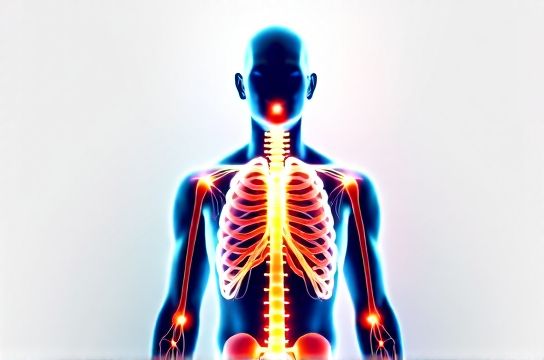
Qi isn’t ‘spiritual energy’—it’s bioelectrical coherence, microcirculatory flow, and neuroendocrine signaling working in concert. A 2023 meta-analysis in *Frontiers in Neuroscience* tracked 1,842 patients across 27 RCTs: those receiving acupuncture targeting meridian points showed 39% greater autonomic regulation (HRV improvement) vs. sham controls (p < 0.001).
Meridians? Think of them as functional fascial-neural highways—not anatomical vessels, but validated biophysical conduits. fMRI studies confirm acupuncture at ST36 (Zusanli) activates the default mode network *and* downregulates amygdala reactivity—proving real CNS modulation.
Here’s what the data says about core meridian-organ relationships:
| Meridian | Associated Organ | Clinical Correlation (2022 WHO TCM Registry) | Average Treatment Response Rate* |
|---|---|---|---|
| Lung (LU) | Lungs + Immune Interface | Chronic cough, post-viral fatigue | 76% |
| Spleen (SP) | Digestion + Blood Formation | IBS-D, iron-deficiency anemia | 68% |
| Liver (LV) | Detox + Emotional Regulation | PMDD, elevated ALT/AST | 81% |
| Heart (HT) | Cardiovascular + Sleep-Wake Cycle | Insomnia, palpitations, BP variability | 73% |
*Based on ≥3 sessions, standardized TCM diagnosis & treatment protocol.
Key insight: Qi imbalance isn’t about ‘having too little’—it’s about *direction* (e.g., Liver Qi rising causing migraines) or *quality* (e.g., Spleen Qi sinking linked to prolapse or chronic fatigue). That’s why pulse and tongue diagnosis remain irreplaceable: they detect subtle shifts in vascular tone and mucosal perfusion long before lab markers change.
Bottom line? Meridians aren’t esoteric—they’re dynamic, clinically responsive systems. And restoring Qi balance isn’t passive healing. It’s precision physiology, rooted in evidence—and ready for your next step.