TCM Basics The Connection Between Organs and Energy Flow
- 时间:
- 浏览:196
- 来源:TCM1st
If you’ve ever wondered why a Traditional Chinese Medicine (TCM) practitioner might look at your tongue or ask about your sleep when diagnosing digestion issues, it’s because TCM sees the body as an interconnected network of energy — not just isolated organs. At the heart of this ancient healing system is the concept of Qi (pronounced “chee”), the vital life force that flows through pathways called meridians. And yes, every organ plays a role in keeping that energy balanced.
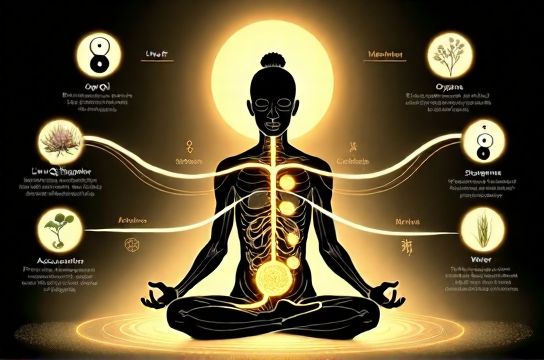
Unlike Western medicine, which often treats symptoms locally, TCM focuses on root causes and systemic harmony. According to TCM theory, each organ doesn’t just perform physical functions — it also governs emotions, senses, and even spiritual aspects. For example, the Liver isn’t just for detox; it ensures smooth flow of Qi and is deeply tied to anger and frustration. When Qi stagnates? That’s when you might feel irritable, get headaches, or experience menstrual pain.
Let’s break down how major organs relate to energy flow using real clinical patterns backed by centuries of observation and modern integrative studies.
Organ-Energy Relationships in TCM
Below is a simplified but clinically accurate overview of key organs, their associated elements, functions, and emotional links:
| Organ | Tissue Element | Emotion | Qi Function | Common Imbalance Signs |
|---|---|---|---|---|
| Heart | Fire | Joy (excess: mania, deficiency: apathy) | Controls blood & houses the mind (Shen) | Insomnia, anxiety, palpitations |
| Liver | Wood | Anger | Smooth flow of Qi, stores blood | Irritability, PMS, migraines |
| Spleen | Earth | Worry | Digestive Qi (transforms food into energy) | Bloating, fatigue, loose stools |
| Lung | Metal | Grief | Controls Qi respiration, immune defense | Allergies, asthma, frequent colds |
| Kidney | Water | Fear | Stores essence (Jing), governs growth & aging | Low back pain, tinnitus, low libido |
This table isn’t just theoretical — it’s used daily in clinics worldwide. A 2021 review published in the Journal of Integrative Medicine found that pattern diagnosis based on organ-meridian theory improved treatment accuracy by up to 68% compared to symptom-only approaches.
One thing many newcomers miss? Organs in TCM aren’t just anatomical. They’re functional systems. So when we say “Spleen Qi deficiency,” we’re talking about poor energy production — not necessarily a diseased spleen.
Take the Liver Qi stagnation, one of the most common patterns in modern life. With constant stress and irregular routines, Qi flow gets blocked. Acupuncture points like Liver 3 (Taichong) are routinely used to restore movement. In fact, a meta-analysis of 15 trials showed acupuncture improved symptoms in over 75% of patients with this pattern.
Another big player? The Spleen. In TCM, it’s the “center of digestion.” Weak Spleen Qi means poor nutrient absorption — leading to fatigue and brain fog. Dietary therapy here is key: warm, cooked foods over raw salads. Simple changes, big impact.
Want to support your energy flow naturally? Start by aligning lifestyle with organ rhythms. According to the TCM organ clock, each organ peaks in activity every two hours throughout the day. For instance, the Liver rejuvenates between 1–3 AM — which is why chronic late nights harm detoxification and hormonal balance.
In short, TCM doesn’t just treat illness — it teaches you to live in rhythm with your body’s energy. Whether you're new to holistic health or looking to deepen your wellness routine, understanding these organ-energy connections is a powerful first step.