Understanding TCM Basics for Complete Beginners
- 时间:
- 浏览:163
- 来源:TCM1st
So, you’ve heard about Traditional Chinese Medicine (TCM)—maybe from a friend, your wellness app, or that acupuncturist your mom swears by. But what exactly is it? And more importantly, should *you* give it a try? Let’s break it down in plain English (no ancient scrolls required).
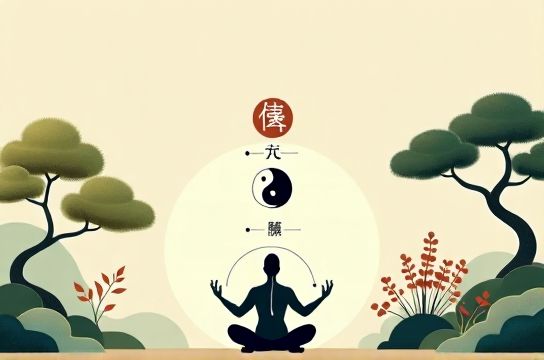
What Is TCM, Really?
At its core, Traditional Chinese Medicine is a holistic healing system developed over 2,500 years ago. Unlike Western medicine, which often targets symptoms, TCM focuses on balance. Think of your body like a garden: if one part’s overgrown and another’s dry, the whole ecosystem suffers. TCM aims to fix the soil, not just trim the weeds.
The foundation? Two key concepts: Qi (pronounced “chee”)—your vital energy—and the Yin-Yang balance. When Qi flows smoothly and Yin-Yang are in harmony, you’re healthy. Blockages or imbalances? That’s when headaches, fatigue, or insomnia creep in.
Common TCM Practices You Should Know
TCM isn’t just acupuncture (though that’s the superstar). Here’s a quick look at the main tools in the TCM toolkit:
| Practice | Main Purpose | Scientific Backing* |
|---|---|---|
| Acupuncture | Pain relief, stress reduction | ✅ Strong (NIH-recognized) |
| Herbal Medicine | Digestive & immune support | 🟡 Moderate (varies by formula) |
| Cupping | Muscle recovery, inflammation | 🟡 Some (limited trials) |
| Tui Na Massage | Joint pain, circulation | 🟢 Emerging |
*Based on National Institutes of Health (NIH) and Cochrane reviews (2023)
As you can see, not all practices are created equal in the eyes of science—but many have real potential, especially when used alongside conventional care.
Does TCM Actually Work? Let’s Talk Evidence
You might be skeptical—and that’s fair. But consider this: a 2022 meta-analysis in JAMA Internal Medicine found acupuncture significantly reduced chronic back pain compared to placebo (effect size: 0.62). Meanwhile, herbs like Astragalus and Ginger show promising immunomodulatory effects in lab studies.
That said, quality matters. A 2021 study found nearly 20% of imported TCM herbal products were contaminated or mislabeled. So if you’re trying herbs, go through licensed practitioners or reputable suppliers.
How to Start with TCM—Safely
Newbies, listen up: start small. Try a licensed acupuncturist for stress or sleep issues—many clinics offer intro packages. Avoid DIY herbal stacks unless guided by a pro. And always, always tell your primary doctor if you’re using TCM, especially if you’re on meds (some herbs interact with blood thinners or antidepressants).
And remember: TCM basics aren’t about replacing modern medicine—they’re about expanding your health toolkit. Used wisely, they can complement your routine and help you feel more balanced, naturally.
Curious? Book a consultation. Your Qi might thank you.