Yin Yang for Beginners Core Principles Made Easy
- 时间:
- 浏览:168
- 来源:TCM1st
So you’ve heard about Yin Yang—maybe in a yoga class, a wellness podcast, or that trendy café with the Taoist quotes on the wall. But what exactly is it? And more importantly, how can it actually improve your daily life? Let’s cut through the fluff and break down the core principles of Yin Yang in a way that’s practical, grounded, and yes—actually useful.
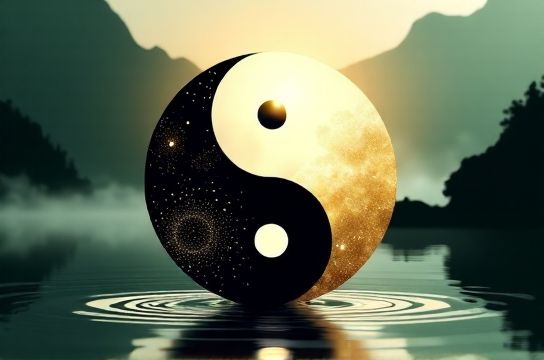
What Is Yin Yang, Really?
At its heart, Yin Yang isn’t just a symbol or a philosophy—it’s a framework for understanding balance in nature and within ourselves. Originating from ancient Chinese thought, particularly Taoism, it describes how opposite forces are interconnected and interdependent. Think hot and cold, active and restful, light and dark. Neither is better; both are necessary.
- Yin = Receptive, cool, inward, restful (e.g., nighttime, sleep, meditation)
- Yang = Active, warm, outward, energetic (e.g., exercise, work, socializing)
The magic happens when these forces are in harmony. Too much Yang? You’re burnt out. Too much Yin? You’re sluggish. The goal isn’t to eliminate one—but to balance both.
Why Balance Matters (Backed by Science)
You don’t need to be into spirituality to appreciate this. Modern science supports the idea. For example, the autonomic nervous system has two modes:
- Parasympathetic (Yin-like): Rest and digest
- Sympathetic (Yang-like): Fight or flight
Chronic stress keeps us stuck in Yang mode—leading to anxiety, poor sleep, and burnout. A 2021 study published in Frontiers in Psychology found that individuals who practiced regular relaxation techniques (hello, Yin energy) showed a 30% reduction in cortisol levels over eight weeks.
Yin Yang in Daily Life: Simple Adjustments
You don’t need a complete lifestyle overhaul. Just small shifts. Here’s how to spot imbalances and fix them:
| Imbalance | Symptoms | Quick Fix |
|---|---|---|
| Too Much Yang | Anxiety, insomnia, irritability | 10 mins of deep breathing or a walk in nature |
| Too Much Yin | Fatigue, lack of motivation, brain fog | Light exercise (e.g., stretching, brisk walk) |
See? Nothing mystical—just awareness and action.
Yin Yang Diet: Eat Like Nature Intended
Even food follows this rhythm. Traditional Chinese Medicine categorizes foods by their energetic properties:
- Yin Foods: Cucumber, watermelon, tofu (cooling)
- Yang Foods: Ginger, garlic, lamb (warming)
In summer? Lean into Yin foods to stay cool. Winter? Add more Yang spices to your meals. It’s not dogma—it’s seasonal intelligence.
Final Thought: Embrace Both Sides
Life isn’t about choosing Yin or Yang. It’s about knowing when to shift. Feeling wired at bedtime? That’s Yang screaming for Yin. Dragging through the afternoon? Time to spark some Yang.
Mastering Yin Yang balance isn’t about perfection—it’s about flow. And once you get the rhythm, everything gets easier.