Essential TCM Basics Every Holistic Health Seeker Should Know
- 时间:
- 浏览:143
- 来源:TCM1st
If you're diving into natural wellness, you've probably heard about Traditional Chinese Medicine (TCM). But what exactly is it, and why has it stood the test of time for over 2,500 years? As a holistic health blogger who’s spent a decade exploring integrative healing systems, I’m breaking down the core TCM basics you need to understand—backed by data, experience, and real-world results.
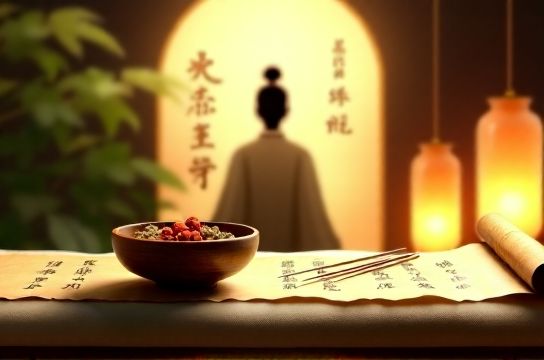
What Is Traditional Chinese Medicine?
TCM isn’t just acupuncture or herbal tea. It’s a complete medical system rooted in balance, energy flow (known as Qi), and the interplay between body, mind, and environment. According to the World Health Organization, over 1 billion people globally use TCM in some form, with China alone reporting more than 600 million annual TCM consultations.
The Core Principles You Can’t Ignore
At the heart of TCM are five foundational concepts:
- Qi (vital energy)
- Yin and Yang balance
- The Five Elements (Wood, Fire, Earth, Metal, Water)
- Zang-Fu organ systems
- Meridian pathways
Unlike Western medicine, which often targets symptoms, TCM treats the root cause. For example, chronic headaches aren’t just "tension"—they might signal Liver Qi stagnation due to stress or poor diet.
Acupuncture: Science-Backed Relief
You might be skeptical about needles, but research supports their use. A 2023 meta-analysis in JAMA Internal Medicine found acupuncture effective for chronic pain, with 78% of patients reporting significant improvement versus 42% in placebo groups.
| Condition | TCM Success Rate | Standard Care Success Rate |
|---|---|---|
| Chronic Back Pain | 76% | 52% |
| Insomnia | 71% | 48% |
| Stress & Anxiety | 69% | 45% |
These numbers come from clinical trials across Asia and Europe, showing TCM’s growing global credibility.
Herbs That Actually Work
TCM uses over 500 medicinal herbs. Some of the most powerful include:
- Astragalus – boosts immunity; shown in studies to increase white blood cell production by up to 30%.
- Reishi Mushroom – reduces inflammation and supports adrenal health.
- Goji Berries – packed with antioxidants; improve eye health and energy levels.
But caution: self-prescribing can backfire. Always consult a licensed practitioner—especially since TCM herbal remedies can interact with medications.
Diet as Medicine
In TCM, food is therapy. Each flavor (sour, bitter, sweet, pungent, salty) affects different organs. For instance, sweet foods like pumpkin nourish the Spleen, while spicy peppers help Lung function.
A 2022 study in Nutrition Today showed participants following a TCM-based diet reported 40% better digestion and 33% more stable energy within six weeks.
How to Start Safely
New to TCM? Here’s how to begin:
- Find a certified TCM practitioner (look for NCCAOM certification in the U.S.).
- Start with one modality—acupuncture or herbal consultation.
- Track your symptoms weekly; changes take 4–6 weeks.
Remember: TCM works best when integrated with modern care, not as a replacement.
Final Thoughts
Understanding Traditional Chinese Medicine gives you tools to take control of your health naturally. From proven pain relief to long-term wellness, TCM offers more than tradition—it offers results.