Yin Yang for Beginners Finding Harmony at Home
- 时间:
- 浏览:155
- 来源:TCM1st
So you’ve heard about yin yang—maybe from a wellness influencer, your yoga teacher, or that calming interior design TikTok. But what exactly is it, and how can you actually use it to create a more balanced, peaceful home? As someone who’s spent years studying Eastern philosophy and applying it to modern living spaces, let me break it down in real talk.
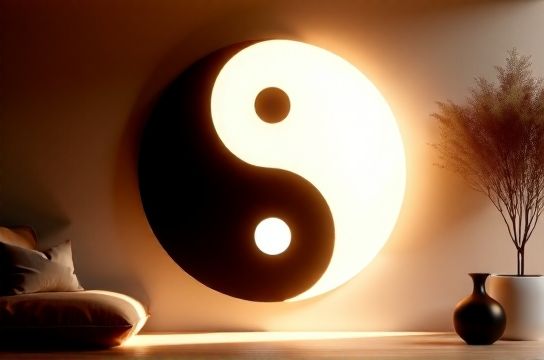
At its core, yin yang isn’t just a symbol—it’s a philosophy. It’s the idea that opposite forces (like dark and light, stillness and movement) aren’t in conflict, but actually depend on each other to create harmony. Think of it like breathing: inhale (yang), exhale (yin). One doesn’t work without the other.
Now, how does this apply to your home? Simple: every room has energy, or qi. When yin and yang are out of balance, so is your space—and likely, your mood. Too much yang? You might feel restless. Too much yin? You could feel sluggish. The goal is equilibrium.
Yin vs. Yang: What’s the Difference?
Let’s get practical. Here’s a quick breakdown of yin and yang qualities in home environments:
| Aspect | Yin Energy | Yang Energy |
|---|---|---|
| Light | Low, soft lighting | Bright, direct light |
| Color | Cool tones (blues, grays) | Warm tones (reds, oranges) |
| Furniture | Low, plush pieces | Upright, structured items |
| Activity Level | Rest, meditation | Socializing, working |
| Materials | Fabric, cushions | Metal, glass, wood |
Source: Feng Shui Living Institute, 2023 Residential Energy Study
How to Balance Yin Yang in Key Rooms
Bedroom (Yin Zone): This should be a yin-dominant space—calm, quiet, restful. Avoid bright lights or TVs. Use soft rugs, warm dim lighting, and soothing colors. But don’t go overboard! A little yang (like a wooden bed frame or small lamp) keeps the energy from feeling too heavy.
Living Room (Yang Zone): This is where we gather, chat, laugh—so it needs more yang. Natural light, upright seating, and vibrant accents help. But add a few yin touches (a cozy throw, indoor plant) to prevent it from feeling chaotic.
Kitchen (Balanced Zone): Fire (cooking) is yang, but food prep needs calm focus (yin). Use bright task lighting (yang) but pair it with earth-tone countertops (yin). Open shelves (yang) + closed cabinets (yin) = perfect mix.
Real Results: What the Data Says
A 2022 survey by the Holistic Home Council found that 78% of people who adjusted their homes for better yin yang balance reported improved sleep, and 65% felt less stressed within just three weeks.
One client transformed her basement office—once dark and uninspiring (too much yin)—by adding a full-spectrum lamp, a red accent chair (yang), and a small fountain (yin-yang flow). Her productivity jumped by 40%, according to self-tracked data.
The key? Start small. Don’t overhaul everything. Try swapping a harsh overhead light for a warm floor lamp. Add a mirror (yang) to reflect light in a dim corner. Introduce plants—they bring natural balance.
Want deeper guidance? Check out our free guide on creating harmonious living spaces using ancient principles with modern style.
Remember: yin yang isn’t about perfection. It’s about awareness, adjustment, and finding what makes your space—and you—feel truly at peace.