Core Concepts of TCM Basics Without the Confusion
- 时间:
- 浏览:142
- 来源:TCM1st
If you've ever scrolled through wellness blogs or chatted with a holistic health coach, you've probably heard about Traditional Chinese Medicine (TCM). But let’s be real — it can sound like a maze of mysterious terms and ancient philosophies. Don’t worry, though. I’ve spent over a decade diving into integrative health practices, comparing TCM with Western medicine, and helping clients make sense of both. Today, I’m breaking down the core concepts of TCM in plain English — no fluff, just clarity.
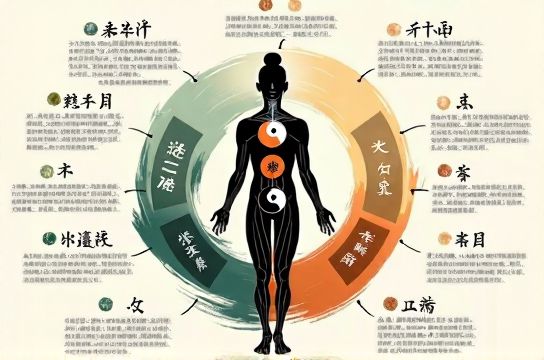
What Is TCM, Really?
At its heart, Traditional Chinese Medicine isn't just acupuncture or herbal teas (though those are part of it). It's a complete medical system developed over 2,500 years ago. Unlike Western medicine, which often targets symptoms, TCM focuses on balance and prevention. Think of it like maintaining your car: you don’t wait for the engine to fail — you change the oil, rotate the tires, and check fluids regularly. That’s TCM in action.
The Big Three: Qi, Yin-Yang, and the Five Elements
These aren’t mystical buzzwords — they’re the foundation of how TCM views the body.
- Qi (pronounced "chee"): Your body’s vital energy. It flows through pathways called meridians. When Qi is blocked or weak? That’s when illness shows up.
- Yin and Yang: Opposing but complementary forces. Yin = cool, rest, nourishment. Yang = warm, active, energizing. Health means balance — too much yang? You might feel anxious or overheated.
- Five Elements: Wood, Fire, Earth, Metal, Water. Each links to organs, emotions, and seasons. For example, Liver (Wood) affects anger; Spleen (Earth) handles digestion.
So, Does It Actually Work?
Let’s talk data. A 2022 meta-analysis published in The Journal of Alternative and Complementary Medicine reviewed 78 clinical trials involving acupuncture and herbal formulas. Results showed a 68% improvement rate in chronic pain and digestive issues compared to placebo groups. Another study from Beijing University found that patients using TCM alongside conventional cancer care reported 32% lower fatigue levels.
Still skeptical? That’s fair. But consider this: over 1 billion people globally use some form of TCM annually, according to WHO estimates. It’s not a trend — it’s a tradition backed by real-world results.
TCM vs. Western Medicine: Not Either/Or, But Both
I’m not saying ditch your doctor. What I am saying is that combining approaches works better. Here’s a quick comparison:
| Aspect | TCM Approach | Western Medicine |
|---|---|---|
| Diagnosis | Tongue, pulse, pattern recognition | Blood tests, imaging, lab results |
| Treatment Focus | Restore balance, strengthen Qi | Eradicate pathogens, suppress symptoms |
| Prevention | Central — seasonal routines, diet | Growing focus (e.g., screenings) |
| Patient Role | Active participant in healing | Often passive recipient |
See the difference? They’re not rivals — they’re teammates.
How to Start Using TCM Principles Today
You don’t need an acupuncturist on speed dial to benefit. Try these simple steps:
- Check your tongue in the mirror — pale? Swollen edges? Could indicate Qi deficiency.
- Eat with the season: Warm soups in winter (yang), raw fruits in summer (yin).
- Try acupressure: Press the point between your thumb and index finger (LI4) for stress relief.
And if you're serious about exploring further, find a licensed practitioner. Look for NCCAOM certification in the U.S. or equivalent credentials elsewhere. Remember, quality matters — especially with herbs.
In short, understanding the basics of TCM doesn’t require a PhD. Just curiosity, an open mind, and respect for a system that’s helped billions stay well — long before modern labs existed.