TCM Basics Your First Steps Toward Natural Healing
- 时间:
- 浏览:134
- 来源:TCM1st
So you’ve heard about Traditional Chinese Medicine (TCM) — maybe from a friend, your acupuncturist, or that wellness influencer on Instagram. But where do you actually start? If you're new to TCM basics, don’t worry. I’ve been there: overwhelmed by terms like Qi, Yin-Yang, and meridians. After years of studying and working with holistic healers, I’m breaking down everything you need to know to begin your natural healing journey — no fluff, just real talk.
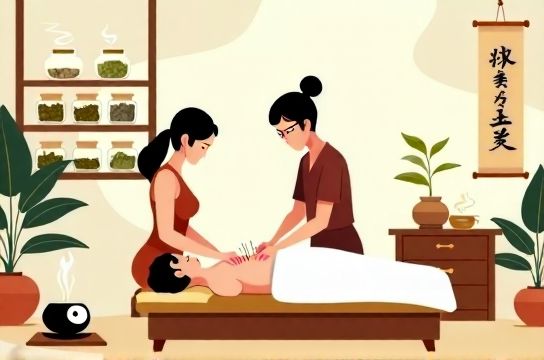
What Is TCM, Really?
Traditional Chinese Medicine isn’t just acupuncture or herbal tea. It’s a 3,000-year-old system rooted in balance. At its core? The idea that your body is self-regulating — if you give it the right support. Think of it like tuning a guitar: when one string is off, the whole sound suffers. That’s where natural healing comes in.
According to the World Health Organization, over 110 countries now recognize TCM practices, with acupuncture alone used by over 30 million people annually in the U.S. alone (NIH, 2022).
The Pillars of TCM You Should Know
- Qi (Chi): Your vital energy. Flows through pathways called meridians.
- Yin & Yang: Opposing forces that must be balanced — think rest vs. activity.
- The Five Elements: Wood, Fire, Earth, Metal, Water — each linked to organs and emotions.
- Herbal Medicine: Custom blends tailored to your unique pattern.
- Acupuncture & Moxibustion: Stimulate points to restore flow.
How TCM Differs From Western Medicine
Here’s the big difference: Western medicine often treats symptoms. TCM treats patterns. For example, two people with headaches might get completely different treatments based on whether their issue stems from stress (Liver Qi stagnation) or low energy (Qi deficiency).
Let’s compare:
| Aspect | Western Medicine | Traditional Chinese Medicine |
|---|---|---|
| Approach | Disease-centered | Pattern-centered |
| Diagnosis | Labs, imaging | Pulse, tongue, symptoms |
| Treatment Focus | Eliminate symptom | Restore balance |
| Prevention | Secondary | Primary goal |
Your First Steps Into TCM
- Find a Licensed Practitioner: Look for NCCAOM certification in the U.S. Avoid spas offering “acupuncture” without licensed pros.
- Start With an Evaluation: A good intake includes pulse reading, tongue analysis, and lifestyle questions.
- Try One Modality First: Acupuncture? Herbs? Cupping? Don’t overwhelm yourself. Many start with weekly acupuncture.
- Track How You Feel: Energy levels, sleep, digestion — these subtle shifts matter most.
Pro tip: Most people notice changes within 4–6 sessions. One 2021 study found 78% of patients reported improved well-being after six weeks of consistent treatment (Journal of Integrative Medicine).
Common Myths About TCM
- Myth: "It’s just placebo." Truth: fMRI studies show acupuncture affects brain regions tied to pain and mood.
- Myth: "Herbs aren’t safe." Truth: When sourced professionally, TCM herbs are highly regulated and tested.
- Myth: "You need to believe in it." Truth: Pets and babies respond to TCM — no belief required.
Bottom line? Whether you’re battling chronic fatigue, anxiety, or just want to feel more balanced, exploring TCM basics could be your missing link. Start small, stay consistent, and let your body guide you.