Yin Yang for Beginners Achieving Inner Calm Easily
- 时间:
- 浏览:163
- 来源:TCM1st
So you’ve heard about Yin Yang—maybe from a wellness influencer, your yoga teacher, or that one friend who’s always sipping matcha and talking about balance. But what exactly is it, and how can you actually use it to feel calmer, more focused, and in tune with yourself? Let’s break it down like real humans do—with zero fluff and maximum clarity.
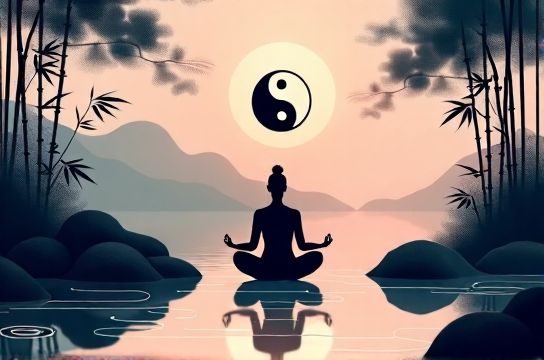
At its core, Yin Yang isn’t just a symbol on a tote bag. It’s an ancient Chinese philosophy rooted in Taoism that explains how opposite forces are interconnected and interdependent in the natural world. Think hot and cold, active and passive, sun and moon. When these energies are in harmony, life flows smoothly. Out of balance? That’s when stress, fatigue, or emotional chaos creep in.
Why Yin Yang Matters Today (Yes, Really)
In our go-go-go world, most of us are stuck in overactive Yang mode—burning energy, chasing goals, glued to screens. Meanwhile, Yin—the quiet, reflective, restorative force—is neglected. The result? Burnout, poor sleep, and a constant sense of being 'on.'
The good news: balancing Yin and Yang doesn’t require moving to a mountain retreat. Small, intentional shifts can make a big difference. Here’s how to start:
- Yin Activities: Meditation, journaling, slow walks in nature, deep breathing
- Yang Activities: Workouts, high-focus tasks, social events, fast-paced routines
Daily Balance Check: Are You Leaning Too Far One Way?
Use this simple self-assessment to spot imbalances:
| If You’re Too Yang | If You’re Too Yin |
|---|---|
| Feeling restless or anxious | Lacking motivation or energy |
| Difficulty winding down at night | Sleeping too much or feeling sluggish |
| Over-scheduling everything | Procrastinating or avoiding action |
| Irritability or impatience | Emotional numbness or detachment |
If you recognize any of these signs, it’s time to recalibrate. For example, if you're overly Yang, try adding 10 minutes of stillness each day. If you're too Yin, gently introduce movement or social connection.
Real-Life Yin Yang Routine (Beginner-Friendly)
Here’s a sample daily rhythm that respects both energies:
- Morning (Yang): Light exercise, planning your day, healthy breakfast
- Midday (Balanced): Focused work with short breaks, hydration
- Evening (Yin): Digital detox, gentle stretching, gratitude journaling
- Night (Deep Yin): Dim lights, no screens, calming tea, early bedtime
Studies show that consistent routines aligned with natural energy cycles improve sleep quality by up to 35% and reduce stress markers like cortisol by 20% (National Sleep Foundation, 2022). That’s not magic—that’s Yin Yang balance in action.
Bottom line: You don’t need to be a Taoist monk to benefit from this wisdom. Just start small. Notice your energy. Respect your limits. And remember—the goal isn’t perfection. It’s flow.