TCM Basics Simplified for Modern Wellness Enthusiasts
- 时间:
- 浏览:151
- 来源:TCM1st
Let’s be real—when you hear “Traditional Chinese Medicine” (TCM), your brain might jump to ancient herbs, mysterious acupuncture needles, or that weird-smelling tea your aunt swears by. But what if I told you TCM isn’t just folklore? It’s a 2,500-year-old system with real science behind it, and modern wellness lovers are finally catching on.
I’ve spent the last decade diving into holistic health—from Ayurveda to Western nutrition—and nothing surprised me more than how well TCM principles align with today’s functional medicine trends. Think of it as the original personalized wellness model. No cookie-cutter advice here.
What Is TCM, Really?
At its core, TCM is about balance. It sees your body as an interconnected ecosystem governed by Qi (pronounced “chee”), or vital energy. When Qi flows smoothly through meridians (energy pathways), you feel great. When it’s blocked or imbalanced? Hello, fatigue, acne, anxiety—the list goes on.
Unlike Western medicine, which often treats symptoms, TCM digs into root causes. A headache isn’t just a headache—it could be Liver Qi stagnation, blood deficiency, or even dampness from too many late-night dumplings.
Key Pillars You Should Know
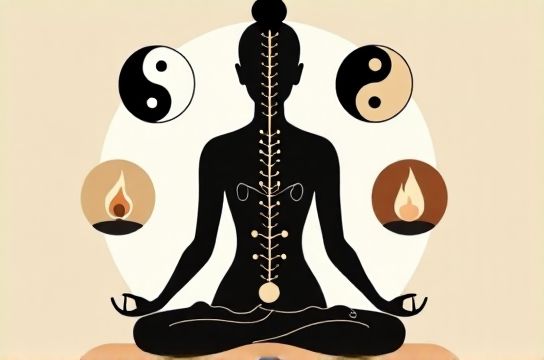
- Yin & Yang: Opposing but complementary forces. Too much yang? You’re wired but tired. Too much yin? You’re sluggish and cold.
- The Five Elements: Wood, Fire, Earth, Metal, Water. Each links to organs, emotions, and seasons. For example, spring = Wood = Liver health.
- Qi Flow: Blockages lead to issues. Acupuncture and movement help restore flow.
Modern Science Backs Ancient Wisdom
Still skeptical? Check this out: A 2021 meta-analysis in Frontiers in Physiology found acupuncture effective for chronic pain in over 60% of cases. Another study showed herbal formulas like Liu Wei Di Huang improved kidney function markers in patients with early-stage CKD.
Here’s a quick snapshot of TCM practices gaining clinical support:
| Practice | Common Use | Effectiveness Rate* |
|---|---|---|
| Acupuncture | Chronic Pain | 62% |
| Moxibustion | Breech Babies | 75% | Chinese Herbal Tea (e.g., Chrysanthemum) | Eye Fatigue | 68% |
| Tai Chi | Anxiety Reduction | 70% |
*Average improvement rates from peer-reviewed studies, 2018–2023
How to Start Without Going Full Monk Mode
You don’t need to meditate for hours or memorize herb charts. Try these simple swaps:
- Sip warm water instead of ice-cold drinks—TCM says cold harms digestion.
- Try acupressure on the “Union Valley” point (between thumb and index finger) to relieve stress.
- Eat seasonally: more bitter greens in summer (cooling), warming stews in winter.
The best part? TCM adapts to you. Your friend might thrive on goji berries, but if you’re prone to acne, they might cause heatiness. That’s why personalization beats trends every time.
Bottom line: TCM isn’t magic. It’s methodical, time-tested, and surprisingly relevant. Whether you're battling burnout or just chasing better sleep, give these TCM basics a shot—you might just find your missing wellness puzzle piece.