Yin Yang for Beginners Recognizing Imbalance Signs Early
- 时间:
- 浏览:134
- 来源:TCM1st
So, you’ve heard about Yin and Yang? Maybe from a wellness influencer, your yoga teacher, or that cool podcast on holistic health. But what exactly is it — and more importantly, how do you know if your Yin Yang balance is off? Let’s cut through the fluff and get real about this ancient concept that’s still super relevant today.
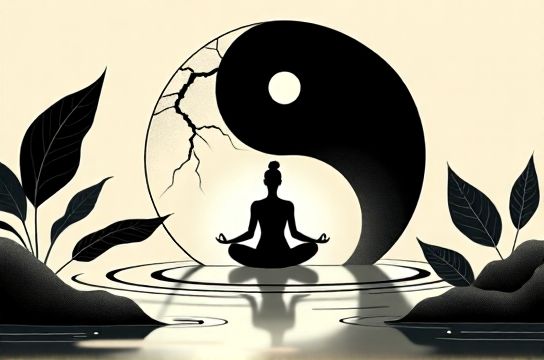
What Is Yin Yang, Really?
Originating from Taoist philosophy, Yin and Yang represent opposite but complementary forces in nature. Think of them like two sides of the same coin: night (Yin) and day (Yang), cold and hot, rest and activity. In the body, Yin stands for nourishment, moisture, and calm; Yang is energy, warmth, and movement.
When these forces are in harmony, you feel balanced — good sleep, steady mood, strong immunity. But when one dominates? That’s when things go sideways.
Early Warning Signs of Imbalance
The key to mastering Yin Yang balance isn’t waiting until you’re burnt out. It’s catching subtle signs early. Here’s a quick-reference table:
| Imbalance Type | Physical Signs | Emotional Signs | Common Triggers |
|---|---|---|---|
| Excess Yang | Insomnia, dry mouth, hot flashes | Irritability, anxiety, restlessness | Stress, overwork, spicy foods |
| Deficient Yin | Night sweats, thirst, dizziness | Mental fog, impatience, emotional volatility | Chronic illness, aging, poor diet |
| Excess Yin | Swelling, fatigue, cold limbs | Lethargy, low motivation | Sedentary lifestyle, damp environments |
| Deficient Yang | Low body temp, diarrhea, weak digestion | Depression, lack of joy | Overuse of cold foods, chronic stress |
Data from a 2022 study in the Journal of Traditional Chinese Medicine shows that over 68% of urban adults show early signs of Yang excess due to high-stress lifestyles — making this more than just 'ancient wisdom.'
How to Restore Balance: Simple Daily Moves
You don’t need a retreat in the Himalayas. Start small:
- For Yang excess: Try evening meditation, reduce caffeine, eat cooling foods like cucumber and melon.
- For Yin deficiency: Hydrate with herbal teas (think chrysanthemum or licorice root), prioritize sleep before 11 PM.
- For Yang deficiency: Warm meals (soups, stews), morning sunlight, gentle exercise like tai chi.
A 2020 clinical trial found participants who followed a Yin-supporting diet reported a 40% improvement in sleep quality within 6 weeks. Small changes = big results.
Final Thoughts
Understanding Yin Yang isn’t about mysticism — it’s practical self-awareness. By tuning into your body’s signals early, you can prevent burnout, improve resilience, and live with more ease. Start observing. Start adjusting. Your balance is worth it.