Yin Yang for Beginners Creating Daily Routines for Balance
- 时间:
- 浏览:136
- 来源:TCM1st
So you’ve heard about Yin Yang—maybe from a wellness influencer, your yoga teacher, or that one friend who’s *really* into balance. But what does it actually mean to live by Yin and Yang principles? And more importantly, how can you build a daily routine that keeps your energy flowing smoothly?
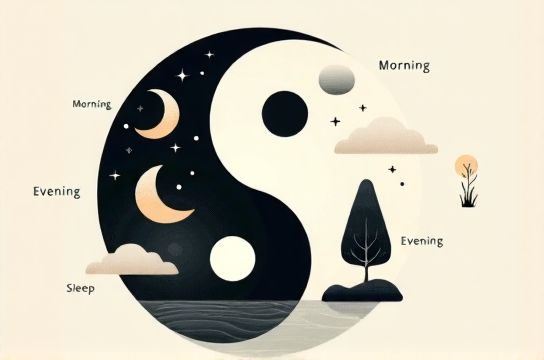
As someone who’s spent years studying Eastern philosophies and helping clients design balanced lifestyles, I’m here to break it down—no mystical jargon, just real, practical steps.
What Is Yin Yang, Really?
At its core, Yin Yang is about harmony. Yin represents the quiet, receptive, cooling energies (think: rest, reflection, nighttime). Yang is active, dynamic, warming (hello, workouts, work deadlines, daytime hustle). The goal isn’t to eliminate one for the other—it’s to create rhythm.
Modern life? Super yang-heavy. We’re always on, always doing. That leads to burnout, poor sleep, and emotional spikes. Balancing with intentional yin practices brings stability.
Build Your Balanced Daily Routine
The key is timing. Align your activities with your body’s natural energy flow. Here’s a science-backed sample schedule:
| Time | Energy Type | Recommended Activity | Why It Works |
|---|---|---|---|
| 6–8 AM | Yang rising | Morning walk, light stretch | Syncs with circadian rhythm; boosts cortisol naturally |
| 8–12 PM | Peak Yang | Deep work, meetings, exercise | Highest focus & physical performance |
| 12–2 PM | Transition | Lunch, short meditation | Supports digestion (yin stomach time) |
| 2–6 PM | Steady Yang | Admin tasks, calls | Lower mental peak; better for routine work |
| 6–8 PM | Yin begins | Calm dinner, journaling | Prepares nervous system for rest |
| 8–10 PM | Dominant Yin | No screens, herbal tea, read | Boosts melatonin; supports liver detox |
| 10 PM–6 AM | Deep Yin | Sleep | Cell repair peaks between 10 PM–2 AM |
This isn’t just ancient theory—modern chronobiology confirms that our bodies thrive on rhythm. A 2022 study in Frontiers in Physiology found that people who align activities with circadian cycles report 37% lower stress levels and 28% better sleep quality.
Easy Yin Yang Hacks for Beginners
- Start small: Add 5 minutes of stillness after meals (yin) to balance lunchtime hustle (yang).
- Use lighting: Bright white light in the morning (yang), warm amber at night (yin).
- Eat with the cycle: Heavier meals at lunch (yang peak), lighter dinners (yin prep).
If you're new to this, don’t overhaul everything overnight. Try anchoring one daily yin yang practice, like a sunset wind-down ritual. Track your energy for a week—you’ll likely notice fewer crashes and better mood stability.
Balancing Yin and Yang isn’t about perfection. It’s about awareness. Once you tune in, the right choices feel natural—not forced.