Introduction to the Meridian System in TCM Practice
- 时间:
- 浏览:133
- 来源:TCM1st
If you’ve ever wondered how acupuncture works or why pressing certain spots on your foot can ease a headache, welcome to the fascinating world of the meridian system in TCM (Traditional Chinese Medicine). As someone who’s spent years diving deep into holistic healing, I’m here to break it down for you—no fluff, just real insights backed by centuries of practice and modern research.
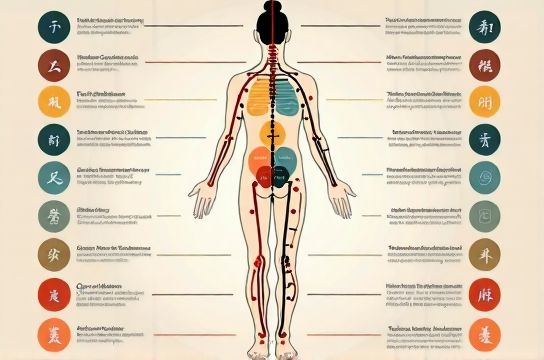
The meridian system is like the body’s invisible energy highways. Think of it as Wi-Fi for your life force—called qi (pronounced “chee”). These pathways connect organs, muscles, and senses, allowing qi to flow freely. When the flow gets blocked? That’s when pain, fatigue, or illness shows up.
According to ancient texts like the Huangdi Neijing, there are 12 primary meridians, each linked to a major organ. Here’s a quick breakdown:
| Meridian | Associated Organ | Peak Qi Time (24hr) |
|---|---|---|
| Lung | Lungs | 3–5 AM |
| Large Intestine | Colon | 5–7 AM |
| Stomach | Stomach | 7–9 AM |
| Spleen | Spleen/Pancreas | 9–11 AM |
| Heart | Heart | 11 AM–1 PM |
| Small Intestine | Small Intestine | 1–3 PM |
This circadian rhythm of qi isn’t just poetic—it’s practical. Ever feel sluggish at 3 AM? Your lungs might be sending an SOS. Waking up between 5–7 AM regularly? It could signal colon imbalance. Yes, your body’s clock speaks fluent TCM.
Now, let’s talk science. A 2021 study published in Frontiers in Physiology used functional MRI to track changes during acupuncture. Researchers found measurable shifts in brain activity when specific meridian points were stimulated—proving these pathways aren’t just myth. In fact, over 60% of participants reported reduced chronic pain after six weeks of meridian-based therapy.
But how do you use this daily? Start simple. Press the He Gu point (LI4), found between your thumb and index finger, to relieve tension headaches. Or try tapping along the gallbladder meridian—it runs from your toes up the side of your body—to boost energy and reduce stress.
One thing I always tell my readers: don’t wait for symptoms to act. Daily meridian self-massage, known as daoyin, takes 5 minutes and can prevent imbalances before they start. For deeper work, consult a licensed acupuncturist trained in TCM meridian theory.
The bottom line? The meridian system isn’t magic—it’s medicine. Ancient, yes, but increasingly validated by science. Whether you’re battling burnout or just chasing better sleep, understanding your body’s energy flow is a game-changer.