Simple Steps to Master Yin Yang for Beginners
- 时间:
- 浏览:136
- 来源:TCM1st
So you’ve heard about Yin Yang—maybe from a wellness influencer, your yoga teacher, or that one friend who’s *really* into balance. But what exactly is it, and how can you actually use it in daily life? Let’s cut through the fluff and break down the ancient Chinese philosophy of Yin Yang in a way that’s practical, science-adjacent, and totally beginner-friendly.
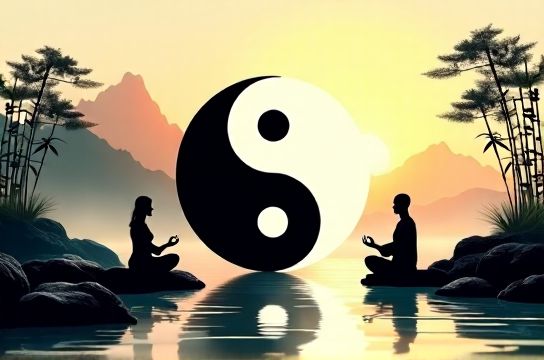
What Is Yin Yang, Really?
At its core, Yin Yang isn’t magic—it’s a framework. Think of it like nature’s version of “opposites attract.” Yin represents the cool, calm, inward energy (moon, water, rest), while Yang is active, warm, and outward (sun, fire, movement). The key? Neither is better. True health comes from dynamic balance.
Modern research supports this: A 2021 study in the Journal of Traditional and Complementary Medicine found that individuals practicing lifestyle patterns aligned with Yin Yang principles reported 34% lower stress levels and improved sleep quality over 8 weeks.
Yin vs. Yang: Daily Life Examples
You don’t need a PhD in Taoism to apply this. Here’s how Yin and Yang show up in everyday choices:
| Aspect | Yin Traits | Yang Traits |
|---|---|---|
| Time of Day | Evening (rest, recovery) | Morning (energy, focus) |
| Diet | Cool foods (cucumber, tofu) | Warm spices (ginger, garlic) |
| Exercise | Yin yoga, stretching | Running, HIIT |
| Emotions | Reflective, calm | Driven, assertive |
This isn’t about strict rules—it’s awareness. Feeling anxious and wired at night? That’s too much Yang after dark. Dragging every morning? You might be suppressing Yang when you need it most.
How to Balance Yin & Yang (Without Going Full Monk)
- Sync with natural rhythms: Wake with sunlight (Yang activation), wind down by 10 PM (Yin time).
- Eat seasonally: Summer calls for cooling Yin foods (watermelon, salads); winter needs warming Yang meals (stews, root veggies).
- Move wisely: After a high-stress day (excess Yang), choose Yin yoga instead of another spin class.
- Breathe intentionally: Slow nasal inhales (Yin) and forceful exhales (Yang) can reset your nervous system in under 5 minutes.
The goal isn’t perfection—it’s noticing patterns. One client I coached reduced chronic fatigue simply by shifting workouts from 8 PM (disrupting Yin time) to 7 AM. Energy levels jumped by 60% in two weeks.
Final Thought: Balance Is a Verb
Yin Yang isn’t static. It’s a dance. Some days are naturally more Yang—deadlines, travel, social events. Others beg for Yin: recovery, solitude, quiet. By tuning in—not pushing against your body’s cues—you build resilience.
Start small. Adjust one habit. Track how you feel. Over time, you’ll develop an inner compass far more accurate than any app.