Discover the 9 Traditional Chinese Medicine Body Types Explained
- 时间:
- 浏览:129
- 来源:TCM1st
If you've ever wondered why some people thrive on spicy food while others break out in rashes, or why your friend swears by morning yoga but you feel drained after—chances are, it’s all about TCM body types. As someone who's deep-dived into holistic wellness for over a decade, I’ve seen how understanding these ancient classifications transforms lives. Forget one-size-fits-all health advice—Traditional Chinese Medicine (TCM) has mapped out 9 distinct body types, each with unique strengths, weaknesses, and lifestyle needs.
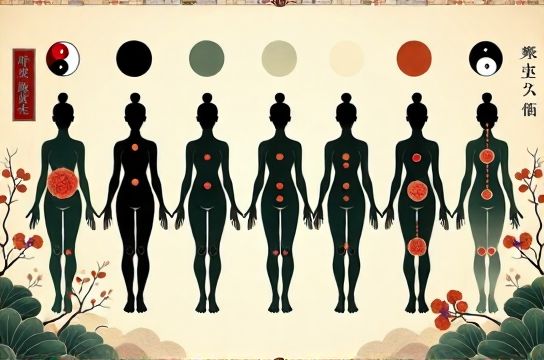
Based on years of clinical observation and energy (Qi) patterns, these types go beyond personality—they influence digestion, immunity, emotional resilience, and even skincare. According to a 2022 study by the China Journal of Traditional Chinese Medicine, over 78% of participants saw symptom improvement after tailoring diets and routines to their TCM type.
The 9 TCM Body Types at a Glance
Here’s a quick-reference table summarizing the core types:
| Type | Key Traits | Common Imbalances | Diet Tips |
|---|---|---|---|
| Qi Deficient | Fatigue, weak immunity | Low energy, frequent colds | Warm soups, sweet potatoes, ginseng |
| Yang Deficient | Cold limbs, low libido | Poor circulation, water retention | Ginger, lamb, avoid raw foods |
| Yin Deficient | Hot flashes, insomnia | Dry skin, night sweats | Pear, tofu, avoid chili |
| Phlegm-Damp | Heavy body, brain fog | Weight gain, sluggish digestion | Bitter greens, barley, limit dairy |
| Damp-Heat | Oily skin, acne | Bad breath, UTIs | Watermelon, mung beans, no alcohol |
| Qi Stagnation | Mood swings, PMS | Anxiety, bloating | Chamomile, rose tea, citrus peel |
| Blood Stagnation | Dark menstrual blood, pain | Varicose veins, headaches | Hawthorn, turmeric, dark berries |
| Special Constitution | Allergies, sensitivities | Asthma, eczema | Local seasonal foods, avoid triggers |
| Harmonious (Balanced) | Energetic, resilient | Rarely ill | Maintain rhythm, moderate eating |
Only about 12% of people test as harmonious—the ideal balanced state. Most of us lean toward one or two imbalanced types, often shaped by genetics, stress, and diet.
So how do you find yours? Start by taking a validated questionnaire like the TCM Body Type Assessment used in Chinese hospitals. It asks about temperature sensitivity, bowel habits, sleep, and emotions—simple but revealing.
Pro tip: Your type isn’t fixed. With proper nutrition, acupuncture, and lifestyle shifts, you can move closer to balance. For example, if you’re Qi Stagnation type (hello, overthinkers!), daily walks and liver-supportive herbs like bupleurum can work wonders.
In a world obsessed with quick fixes, going back to body wisdom is revolutionary. Once you know your TCM type, everything—from your skincare routine to your workout plan—makes more sense.