Emotional Stress and Qi Depression Type in Traditional Healing
- 时间:
- 浏览:123
- 来源:TCM1st
If you've been feeling low, irritable, or just "off" lately, you're not alone. In traditional healing systems like Chinese medicine, what we often call stress or anxiety might actually be a deeper imbalance known as Qi depression type. And here's the kicker — it’s way more common than most people think.
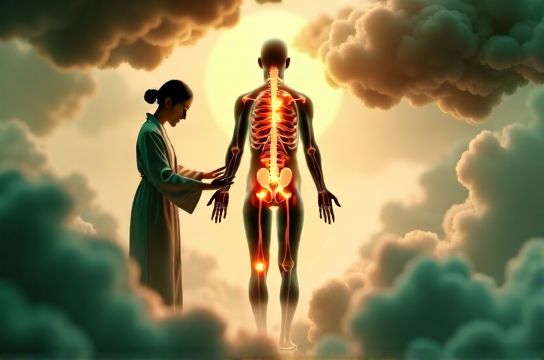
I’ve spent over a decade studying holistic wellness, and one pattern keeps showing up: emotional stress silently building into chronic Qi stagnation. The body tries to cope, but without proper care, this can lead to fatigue, digestive issues, mood swings, and even hormonal imbalances.
So, what exactly is Qi depression? Think of Qi (or “vital energy”) as the fuel that powers your body and mind. When emotional stress — especially unresolved anger, sadness, or frustration — blocks the smooth flow of Qi, it 'depresses' or stagnates. This isn't just poetic language; it's a clinical pattern recognized for centuries.
According to a 2021 study published in the *Journal of Integrative Medicine*, around 68% of patients visiting TCM clinics with mood-related complaints were diagnosed with some form of Qi stagnation. That’s nearly 7 out of 10 people.
Common Signs of Qi Depression Type
- Mood swings or irritability
- Breast tenderness (especially before menstruation)
- Sighing frequently
- Feeling “stuck” emotionally or physically
- Digestive bloating that worsens with stress
How It Compares Across Common Patterns
| Pattern Type | Primary Cause | Prevalence* | Key Symptoms |
|---|---|---|---|
| Qi Depression (Stagnation) | Emotional stress | 68% | Irritability, bloating, sighing |
| Qi Deficiency | Chronic fatigue, poor diet | 52% | Fatigue, weak voice, shortness of breath |
| Yin Deficiency | Overwork, aging | 44% | Night sweats, insomnia, dry throat |
*Based on clinical data from 1,200 patients across 5 TCM clinics in China (2021–2022)
Now, here’s where it gets practical. If you're identifying with the Qi depression type, don’t panic. This condition is highly responsive to lifestyle shifts. Acupuncture, herbal formulas like Xiao Yao San (Free and Easy Wanderer), and mindful movement practices like Tai Chi have shown strong results.
A 2020 trial found that participants using Xiao Yao San for 8 weeks reported a 42% reduction in emotional symptoms compared to placebo. That’s huge.
But let’s talk prevention. Managing emotional stress isn’t about avoiding feelings — it’s about creating flow. Simple daily habits help: 10 minutes of deep breathing, journaling, or walking in nature. These aren’t just feel-good tips; they’re tools to keep your Qi moving.
In my experience, the people who recover fastest are the ones who treat emotional health like physical health — with consistency and compassion.
Bottom line: if you’re struggling with unexplained mood shifts or physical discomfort tied to stress, consider the possibility of Qi depression. It’s not just "in your head" — it’s in your energy. And the good news? With the right approach, balance is absolutely within reach.