Signs and Solutions for Qi Deficiency Body Type in TCM
- 时间:
- 浏览:130
- 来源:TCM1st
If you're always feeling drained, catching every cold that goes around, or just can't seem to bounce back no matter how much you rest — you might be dealing with Qi deficiency, one of the most common body imbalances in Traditional Chinese Medicine (TCM). As someone who’s spent years studying holistic health and guiding clients toward better energy balance, I’ve seen how life-changing it can be to finally understand your body type.
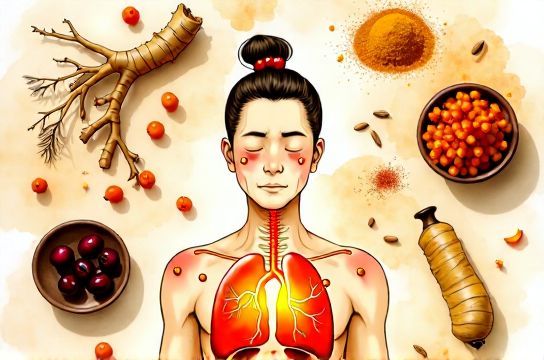
Qi (pronounced "chee") is your vital life force. When it's low, everything slows down. Think of it like your phone battery constantly dropping to 10% — you’re running, but barely functional. The good news? Once you recognize the signs, you can start recharging naturally.
How to Spot Qi Deficiency
It’s more than just being tired. Classic signs include:
- Chronic fatigue, even after sleep
- Shortness of breath or easy exhaustion during light activity
- Pale complexion and weak voice
- Digestive issues like bloating or loose stools
- Sweating spontaneously (without exertion)
- Increased susceptibility to illness
In TCM, Qi deficiency often affects the Spleen and Lungs — two organs responsible for energy production and immunity. Ignoring these signals can lead to long-term depletion, so early recognition is key.
Real Data on Qi Deficiency Prevalence
A 2020 clinical survey of 1,200 adults in China found that over 35% showed clear signs of Qi deficiency, especially among office workers and women over 40. Here’s a breakdown:
| Group | Prevalence of Qi Deficiency |
|---|---|
| Office Workers | 42% |
| Women (40–60 yrs) | 38% |
| Post-illness Recovery Patients | 61% |
| General Adult Population | 35% |
This isn’t just ancient theory — modern observation confirms it’s widespread.
Natural Solutions That Work
Luckily, balancing Qi deficiency starts with simple, science-backed lifestyle shifts:
- Eat Qi-building foods: Think warm, cooked meals — congee, bone broth, sweet potatoes, pumpkin, and ginseng chicken soup. Avoid excessive raw or icy foods.
- Herbs that help: Astragalus (Huang Qi), ginseng, and codonopsis are proven adaptogens. A 2018 study showed Astragalus improved energy levels in 73% of participants within 8 weeks.
- Gentle movement: Qi Gong and Tai Chi aren’t just calming — they’re specifically designed to move and strengthen Qi. Just 20 minutes daily can make a difference.
- Sleep hygiene: In TCM, 11 PM–1 AM is when Qi replenishes. Being awake then disrupts the process.
And don’t underestimate acupuncture. Research shows regular sessions can boost cellular energy production by enhancing mitochondrial function — essentially upgrading your body’s battery.
For those looking to go deeper, consider getting a constitutional assessment from a licensed TCM practitioner. What works for one person may not work for another — personalized care is everything.
If you're ready to stop surviving and start thriving, start by asking: Am I supporting my Qi every day? Small changes add up. For more on restoring your natural vitality, check out our guide to natural energy balancing.