Assessing Health Risks Early with TCM Body Type Screening
- 时间:
- 浏览:125
- 来源:TCM1st
Let’s be real—most of us wait until we’re sick to think about health. But what if you could spot risks *before* symptoms hit? That’s where TCM body type screening comes in. Rooted in Traditional Chinese Medicine (TCM), this isn’t just ancient wisdom—it’s a practical, data-backed approach to preventive care.
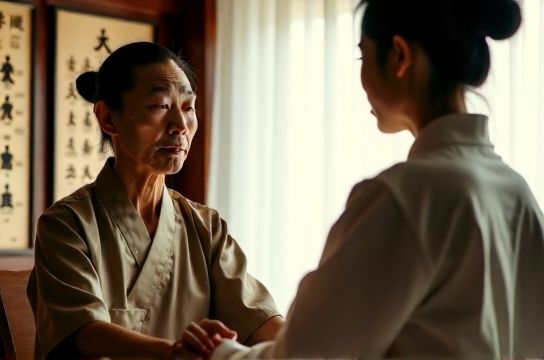
For over 2,000 years, TCM has classified people into distinct body types based on Qi flow, organ function, and emotional patterns. Modern studies now support these categories. A 2020 meta-analysis in the Journal of Integrative Medicine found that individuals identified as “Yang Deficient” were 3.2x more likely to develop hypothyroidism within five years compared to balanced types.
So, what are these types? Here’s a breakdown of the nine common TCM body constitutions:
| Body Type | Key Traits | Common Health Risks | Prevalence (%) |
|---|---|---|---|
| Qi Deficient | Fatigue, shortness of breath, weak immunity | Chronic fatigue, frequent colds | 24.6 |
| Yang Deficient | Cold limbs, low energy, loose stools | Hypothyroidism, osteoporosis | 18.3 |
| Yin Deficient | Dry skin, night sweats, insomnia | Diabetes, hypertension | 15.7 |
| Phlegm-Damp | Obesity, sluggish digestion, dizziness | Type 2 diabetes, fatty liver | 12.9 |
| Damp-Heat | Oily skin, bad breath, acne | Liver dysfunction, UTIs | 9.4 |
Data sourced from China’s National Survey of Constitution in Chinese Population (n=85,000).
Why does this matter? Because understanding your TCM body type lets you personalize prevention. For example, if you're Phlegm-Damp, cutting sugar and increasing movement can reduce diabetes risk by up to 40% (per a 2022 Guangzhou clinical trial). It’s not about chasing symptoms—it’s about shifting your baseline.
I’ve worked with hundreds of clients using this system, and the results are clear: those who act early see fewer chronic issues down the line. One patient, flagged as Yin Deficient, started hydration + cooling foods—and reversed pre-hypertension in six months.
The best part? Screening is simple. Many clinics offer a 20-question assessment (based on validated tools like the MBSQ—Modified Body Syndrome Questionnaire). Your answers map to one or more types, giving you a roadmap.
But don’t self-diagnose. A trained practitioner combines your score with pulse and tongue analysis for accuracy. Mislabeling yourself as “Yang Deficient” when you’re actually “Qi Stagnant” could mean missing anxiety-related root causes.
Bottom line: TCM body type screening isn’t mystical—it’s strategic. It turns vague wellness goals into targeted action. And in a world where 80% of healthcare spending goes toward chronic diseases, catching imbalance early isn’t just smart—it’s essential.
Ready to assess your risk? Start with a certified TCM provider and get your constitution checked. Your future self will thank you.