How Emotions Influence Physical Health in TCM Perspective
- 时间:
- 浏览:126
- 来源:TCM1st
If you’ve ever felt a knot in your stomach during stress or had a headache after an emotional argument, traditional Chinese medicine (TCM) would say: your emotions are literally shaping your physical health. As someone who’s spent over a decade studying holistic wellness and advising clients on integrative health strategies, I can tell you—this isn’t just poetic wisdom. It’s deeply rooted in TCM theory and increasingly backed by modern science.
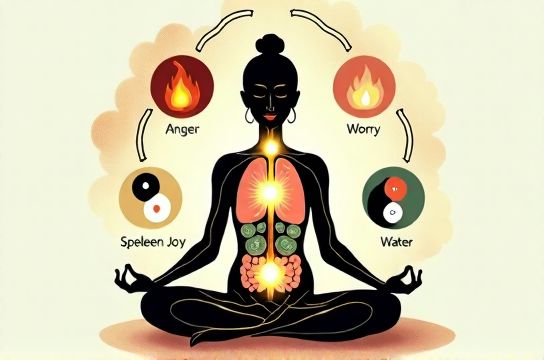
In TCM, the mind and body aren’t separate. They’re part of one interconnected system where emotions directly impact organ function. Unlike Western medicine, which often treats symptoms in isolation, TCM sees emotional balance as key to long-term vitality. Let’s break down how this works—and why you should care.
The 7 Emotions & Their Organ Links
TCM identifies seven primary emotions, each tied to a specific organ and its energy pathway (meridian). When these emotions become chronic or intense, they disrupt qi (vital energy), leading to physical disharmony.
| Emotion | Associated Organ | Physical Symptoms if Imbalanced |
|---|---|---|
| Anger | Liver | Headaches, high blood pressure, PMS |
| Worry / Overthinking | Spleen | Digestive issues, fatigue, bloating |
| Grief / Sadness | Lungs | Asthma, low immunity, shallow breathing |
| Fear | Kidneys | Low back pain, frequent urination, insomnia |
| Excessive Joy (mania) | Heart | Palpitations, anxiety, insomnia |
| Shock / Sudden Fear | Heart & Kidneys | Dizziness, fainting, arrhythmia |
Notice a pattern? Your emotional health isn’t “just in your head”—it shows up in your body. For example, constant overthinking doesn’t just drain mental energy; it weakens the Spleen’s ability to transform food into usable energy, leading to chronic fatigue—a common issue I see in high-performing professionals.
Modern Science Catches Up
You might be thinking: “Okay, but is there real evidence?” Yes. Studies show chronic stress increases cortisol, which suppresses immune function and contributes to inflammation—linked to everything from heart disease to autoimmune disorders. The gut-brain axis also confirms that emotional states like anxiety alter gut microbiota, explaining why digestive health and mood are so closely linked.
One 2021 meta-analysis found that individuals with high emotional suppression had a 47% higher risk of developing gastrointestinal disorders (Zhang et al., Journal of Psychosomatic Research). This aligns perfectly with TCM’s view of the Spleen-Stomach network being vulnerable to worry.
Practical Ways to Restore Balance
- Acupressure: Press Liv3 (between big toe and second toe) to release anger-related liver tension.
- Breathwork: Grief affects the Lungs—try slow, deep diaphragmatic breathing for 5 minutes daily.
- Diet: Sweet, bland foods nourish the Spleen. Think pumpkin, sweet potato, and rice—ideal for chronic worriers.
Bottom line? Emotional awareness isn’t fluff—it’s functional medicine. By honoring the mind-body-emotion connection, you’re not just feeling better emotionally—you’re building lasting physical resilience.