Longevity Tips Rooted in Balancing Your Innate Constitution
- 时间:
- 浏览:133
- 来源:TCM1st
Let’s be real—everyone wants to live longer, but not everyone knows how to do it right. It’s not just about chugging green juice or logging 10K steps. True longevity starts with understanding your innate constitution—the unique blueprint of your body and metabolism. As someone who’s spent over a decade diving into holistic health systems from TCM (Traditional Chinese Medicine) to Ayurveda and modern functional medicine, I’ve seen one truth repeat itself: balance is everything.
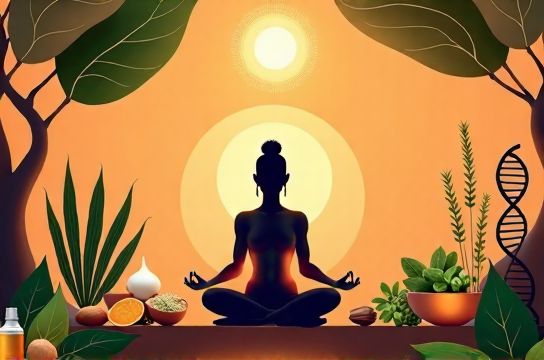
You can’t out-supplement a misaligned lifestyle. Instead of chasing trends, focus on aligning with your natural body type. Think of it like tuning an instrument—if you’re out of tune, even the best song sounds off.
Why Your Body Type Matters for Longevity
Studies show that personalized health approaches improve outcomes by up to 40% compared to generic wellness plans (Nature Medicine, 2022). That’s because our bodies respond differently based on genetic makeup, metabolic tendencies, and energetic patterns.
In Ayurveda, for example, there are three primary doshas: Vata (air), Pitta (fire), and Kapha (earth). Each governs different physiological and psychological traits. When balanced, they promote vitality. When out of sync? Hello, fatigue, inflammation, and early aging.
Dosha Breakdown & Longevity Strategies
Check out this quick-reference table:
| Dosha | Common Traits | Imbalance Signs | Longevity Tip |
|---|---|---|---|
| Vata | Lean, energetic, creative | Anxiety, dry skin, insomnia | Warm oils, routine, grounding foods |
| Pitta | Intense, focused, competitive | Acid reflux, irritability, overheating | Cooling herbs, stress management |
| Kapha | Sturdy, calm, loyal | Weight gain, sluggishness, congestion | Regular movement, light diet |
Knowing your dominant dosha helps tailor diet, exercise, and even sleep habits. For instance, a Pitta-dominant person thrives on cooling routines, while a Kapha type needs stimulation to avoid stagnation.
Science-Backed Habits That Support Longevity
Beyond body types, certain universal practices boost lifespan. The Blue Zones—regions with the highest concentration of centenarians—reveal common threads:
- Plant-forward diets (95% of meals)
- Daily low-intensity movement
- Strong social connections
- Purpose-driven living
But here’s the kicker: even in Blue Zones, people eat differently. Okinawans consume sweet potatoes; Sardinians eat whole-grain bread. The secret isn’t the food itself—it’s the alignment with local environment and genetics. That’s why balancing your innate constitution beats following someone else’s “perfect” diet.
Bottom line? Longevity isn’t one-size-fits-all. It’s personal, intentional, and deeply rooted in self-awareness. Start by observing your body’s signals. Adjust slowly. Prioritize consistency over perfection.
Want to go deeper? Take a dosha quiz or consult a functional medicine practitioner. Your longest, healthiest life isn’t ahead of you—it’s already coded within you. You just need to listen.