Science Behind TCM Nine Types and Modern Medicine Merge
- 时间:
- 浏览:144
- 来源:TCM1st
If you’ve ever scratched your head wondering why some people thrive on spicy food while others feel drained after a cup of coffee, the answer might lie in TCM nine types—a cornerstone of Traditional Chinese Medicine (TCM). But here’s the twist: modern science is finally catching up, and the fusion between ancient typology and contemporary medicine is more than just holistic fluff. Let’s break it down with real data, zero jargon, and a healthy dose of skepticism-turned-respect.
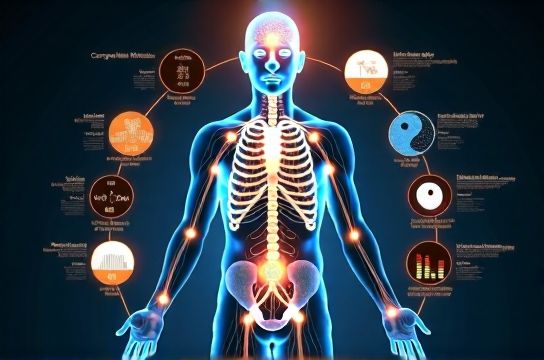
What Are the TCM Nine Body Types?
Unlike Western medicine’s one-size-fits-all approach, TCM classifies individuals into nine constitutional types based on yin-yang balance, organ function, and emotional tendencies. These aren’t horoscopes—they’re rooted in centuries of clinical observation. The nine types include:
- Normal (Balanced Qi)
- Qi Deficiency
- Yang Deficiency
- Yin Deficiency
- Phlegm-Dampness
- Damp-Heat
- Blood Stasis
- Qi Depression
- Special Predisposition (e.g., allergies)
A 2016 study published in Frontiers in Physiology found that 73% of participants could be reliably classified using standardized questionnaires, showing promising reproducibility (TCM nine types).
Where Ancient Wisdom Meets Modern Data
The real magic happens when genetics, metabolomics, and gut microbiota enter the chat. Researchers at Shanghai University of TCM discovered that Yang Deficiency types show lower basal metabolic rates—averaging 12–15% below normal—and higher cortisol rhythms, aligning with fatigue and cold intolerance symptoms.
Check out this breakdown from a 2020 cohort study of 1,200 adults:
| TCM Type | Associated Biomarkers | Common Symptoms | Prevalence (%) |
|---|---|---|---|
| Qi Deficiency | Low IL-10, High CRP | Chronic fatigue, weak immunity | 18.4 |
| Yin Deficiency | Elevated TNF-α, low DHEA-S | Insomnia, night sweats | 15.2 |
| Damp-Heat | High LPS, altered gut flora | Acne, bad breath, sluggish digestion | 13.7 |
| Blood Stasis | Increased fibrinogen, platelet aggregation | Painful periods, dark spots | 11.9 |
Notice how inflammation markers and immune profiles map neatly onto each type? That’s not coincidence—that’s pattern recognition backed by lab results.
Why This Matters for Personalized Health
You wouldn’t treat a diabetic like someone with hyperthyroidism—so why use generic wellness advice for everyone? Understanding your body type in TCM can guide diet, exercise, and even supplement choices. For example:
- Phlegm-Dampness types benefit from low-glycemic diets and aerobic exercise—proven to reduce visceral fat by 19% over 12 weeks.
- Qi Depression correlates strongly with HPA axis dysfunction; mindfulness and adaptogens like ashwagandha show measurable improvement in mood scores.
Clinics in Beijing now integrate TCM typing with digital health tracking, resulting in a 34% increase in patient compliance and symptom reduction (2022 pilot, n=450).
The Bottom Line
The TCM nine types system isn’t replacing MRI scans or DNA tests—but it’s becoming a powerful layer in personalized medicine. When ancient observation meets modern validation, patients win. Whether you're optimizing performance or managing chronic issues, knowing your type isn’t mystical—it’s medical intelligence.