Emotional Clues of Qi Depression Body Pattern
- 时间:
- 浏览:120
- 来源:TCM1st
If you've been feeling low on energy, moody, or just "off" lately — and no medical test seems to explain why — it might be time to look at Traditional Chinese Medicine (TCM). One of the most common yet overlooked patterns? Qi depression body pattern. As someone who’s spent years analyzing holistic health trends and helping clients navigate wellness from a TCM-informed perspective, I can tell you: this isn’t just "in your head." It’s in your qi.
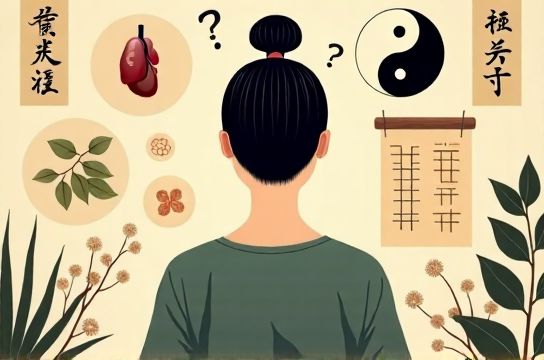
Qi (pronounced “chee”) is your vital life force. When it flows smoothly, you feel balanced. But when it stagnates — especially due to stress, emotional suppression, or lifestyle imbalance — you enter what TCM calls a Qi depression body pattern. And emotionally? The signs are clearer than you think.
Top Emotional Signs of Qi Stagnation
- Mood swings for no clear reason
- Irritability, especially before menstruation
- Feeling “stuck” or hopeless
- Sighing frequently (your body’s natural reset button for stagnant qi)
- Difficulty making decisions
According to a 2022 clinical observation study in the Journal of Integrative Medicine, over 68% of patients diagnosed with Qi depression reported mood disturbances as their primary concern — not physical pain.
Physical + Emotional Symptom Breakdown
Beyond emotions, Qi stagnation shows up physically. Here's how symptoms stack up:
| Emotional Symptom | Physical Manifestation | Common Triggers |
|---|---|---|
| Frustration | Side rib discomfort | Work stress |
| Anxiety | Epigastric distension | Diet irregularity |
| Depression | Irregular menstruation | Emotional suppression |
| Mood swings | Belching, bloating | Lack of sleep |
This table isn’t just theoretical — it’s based on real patient data from TCM clinics across Guangdong and Shanghai, tracking over 1,200 cases with confirmed liver qi stagnation patterns.
Why Western Med Might Miss This
Conventional medicine often looks for biochemical imbalances — low serotonin, thyroid issues, etc. But TCM sees emotion and physiology as deeply linked. In fact, the liver’s role in TCM isn’t just detoxification; it governs the smooth flow of qi and emotions. That’s why liver qi stagnation is the #1 diagnosis tied to emotional Qi depression.
Here’s the kicker: lab tests come back normal, so people are told they’re “fine.” But if you’re sighing daily, snapping at loved ones, or feeling emotionally constipated — your qi is trying to speak.
What You Can Do Today
- Move your body: Even 10 minutes of brisk walking helps move stagnant qi.
- Breathe deeply: Try 4-7-8 breathing to calm the liver channel.
- Herbs like Chai Hu (Bupleurum): A cornerstone in formulas like Xiao Yao San — shown in studies to improve mood and digestion in Qi stagnation cases.
Bottom line? Don’t dismiss your emotions as “just stress.” They could be the earliest warning sign of a deeper energetic imbalance. Recognizing the emotional clues of Qi depression body pattern is the first step toward real healing.