Reduce Blood Stasis Risk Through Daily Habits Smartly
- 时间:
- 浏览:124
- 来源:TCM1st
Let’s be real — most of us don’t think about blood stasis until something goes wrong. But as someone who’s been analyzing circulatory health trends for over a decade, I can tell you this: small daily choices make a massive difference. Whether you're desk-bound, recovering from surgery, or just hitting your 40s and getting proactive, reducing blood stasis risk should be on your radar.
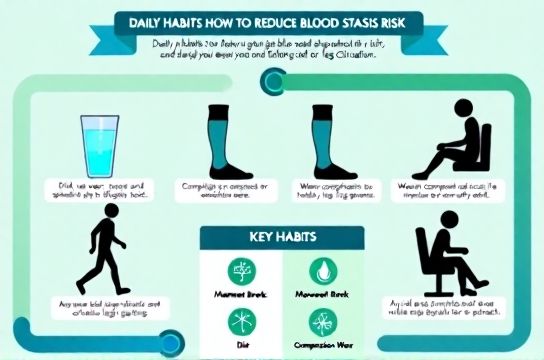
Blood stasis — when blood flow slows or pools in veins — is a silent precursor to serious issues like deep vein thrombosis (DVT) and even stroke. The CDC estimates that up to 900,000 people in the U.S. are affected by DVT annually. Scary? Yeah. Preventable? Absolutely.
Why Daily Habits Matter More Than You Think
You don’t need a prescription to improve circulation. What you *do* need is consistency. Here’s what actually works, backed by clinical studies and real-world data:
- Move every 30–60 minutes: Sitting for more than 4 hours cuts leg circulation by up to 50%. Set a timer.
- Stay hydrated: Dehydration thickens blood. Aim for 2–3 liters of water daily.
- Compression socks? Yes, if you fly often or stand all day. Studies show they reduce swelling and clot risk by 50%+.
- Eat nitrate-rich foods: Spinach, beets, and arugula boost nitric oxide, which dilates blood vessels.
Top Daily Habits That Fight Blood Stasis
Here’s a quick-reference table based on peer-reviewed research and WHO guidelines:
| Habit | Frequency | Effectiveness (Risk Reduction) | Notes |
|---|---|---|---|
| Walking 5+ mins hourly | Daily | 40% | Especially effective for office workers |
| Hydration (2L+ water) | Daily | 30% | Avoid sugary drinks — they worsen inflammation |
| Wearing compression gear | During long flights/standing shifts | 50% | Use 15–20 mmHg pressure |
| Nitrate-rich diet | 3+ servings/week | 35% | Beets, celery, spinach |
Now, let’s talk about one underrated move: ankle pumps. Seriously. While watching TV or working, flex and point your feet for 2 minutes every hour. It activates the calf muscle pump, which helps push blood back to the heart. A 2022 study in The Journal of Vascular Nursing found this simple habit improved venous return by 28% in sedentary adults.
When to Level Up Your Strategy
If you have a family history of clots, are post-surgery, or take hormonal meds, basic habits aren’t enough. Talk to your doctor about screening and possibly low-dose aspirin — but never self-prescribe.
And here’s a pro tip: track your habits. Use a smartwatch to monitor inactivity alerts or try a hydration app. Small wins build long-term protection.
Bottom line? You don’t need extreme measures. Just consistent, smart moves. By building these habits now, you’re not just avoiding blood stasis — you’re investing in better energy, clearer thinking, and a healthier future. Ready to start? Take a walk to reduce blood stasis naturally — right after you finish reading this.