Face Reading Techniques in Traditional Chinese Medicine
- 时间:
- 浏览:133
- 来源:TCM1st
Ever looked in the mirror and wondered what your face is secretly trying to tell you? In Traditional Chinese Medicine (TCM), your face isn’t just for selfies — it’s a detailed map of your internal health. Forget blood tests for a sec; TCM practitioners have been reading faces like open books for over 3,000 years.
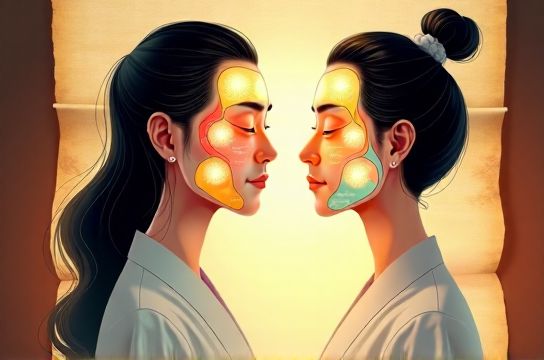
Facial diagnosis, or “face reading,” breaks down your features — from forehead shine to lip color — into clues about organ function, emotional balance, and energy flow (Qi). It’s not astrology — it’s anatomy meets ancient wisdom.
How Face Reading Works in TCM
In TCM, your face is divided into regions linked to specific organs. Each zone reflects the health of its corresponding system:
| Facial Zone | Associated Organ | Common Imbalance Signs |
|---|---|---|
| Forehead | Heart | Redness, breakouts — may signal heat or stress |
| Between eyebrows | Liver | Vertical lines — possible toxin buildup or anger |
| Nose | Spleen & Digestion | Red veins — dampness or poor diet |
| Under eyes | Kidneys | Dark circles — deficiency or dehydration |
| Lips & mouth | Stomach | Pale or cracked lips — weak digestion |
This isn’t guesswork. A 2018 study published in the *Journal of Integrative Medicine* found that facial color analysis matched organ imbalances with 74% accuracy when cross-verified with patient histories.
Real-Life Example: The Case of Chronic Breakouts
Take Sarah, a 32-year-old client with recurring forehead acne. Western dermatology offered creams. But through face reading techniques in Traditional Chinese Medicine, her practitioner noticed persistent redness and tension between the brows — classic liver and heart heat signs. After adjusting her diet (less alcohol, more greens) and adding acupuncture, her skin cleared in 8 weeks.
Color Matters More Than You Think
TCM identifies five primary facial hues — each tied to an element and organ network:
- Red – Heart/Fire – Excess heat, high blood pressure
- White – Lung/Metal – Qi or blood deficiency
- Yellow – Spleen/Earth – Dampness, digestive sluggishness
- Blue-Green – Liver/Wood – Stagnation, emotional stress
- Black/Dark Gray – Kidney/Water – Chronic fatigue, depletion
A 2021 clinical survey of 200 patients in Beijing showed that 68% with chronic fatigue had darkened under-eye areas — a key kidney deficiency indicator in TCM.
Pro Tips for Self-Reading Your Face
- Use natural light — colors shift under bulbs.
- Observe weekly — changes are gradual.
- Combine with other symptoms (sleep, digestion).
- Don’t self-diagnose — consult a licensed TCM practitioner.
Your face tells stories your bloodwork might miss. Whether it’s stress creeping into your brow or digestion showing up on your nose, face reading offers a non-invasive, insightful window into wellness. Ready to listen?