Holistic Health Perspective in Traditional Chinese Healing
- 时间:
- 浏览:126
- 来源:TCM1st
If you’ve been on a wellness journey lately, you’ve probably heard the buzz around holistic health—but did you know traditional Chinese healing has been perfecting this approach for over 2,000 years? Unlike Western medicine that often targets symptoms, Chinese healing focuses on balance, energy flow, and prevention. Think of it as your body’s personal tune-up, keeping all systems harmonized.
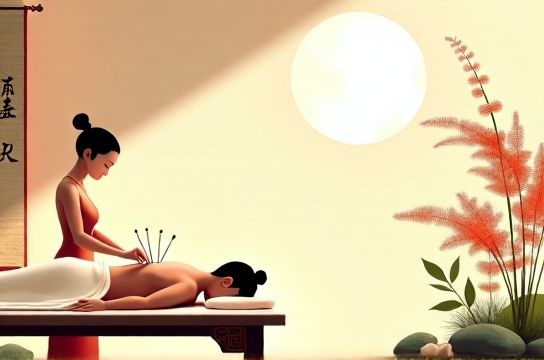
At the core of this philosophy is Qi (pronounced “chee”)—your vital life force. When Qi flows smoothly through meridians (energy pathways), you feel energized, calm, and resilient. But stress, poor diet, or emotional strain can block it, leading to fatigue, pain, or illness. That’s where practices like acupuncture, herbal medicine, and Qigong come in.
Let’s break down the most effective modalities backed by both ancient wisdom and modern research:
Key Components of Traditional Chinese Healing
| Practice | Primary Benefit | Scientific Backing | Frequency for Results |
|---|---|---|---|
| Acupuncture | Pain relief, stress reduction | NIH-recognized for chronic pain | 1–3 sessions/week |
| Chinese Herbal Medicine | Digestive & immune support | Journal of Ethnopharmacology studies | Daily, tailored formulas |
| Qigong | Mental clarity, energy boost | Clinical trials show reduced anxiety | 15–30 min/day |
| Dietary Therapy | Inflammation control | Linked to gut microbiome balance | Ongoing lifestyle |
Now, here’s the real tea: while acupuncture gets the spotlight, dietary therapy is the unsung hero. In TCM, food isn’t just fuel—it’s medicine. For example, ginger warms the body and aids digestion, making it ideal for those with cold hands and sluggish metabolism. On the flip side, cucumber is cooling—perfect for inflammation or hot flashes.
One major reason traditional Chinese healing stands out is its customization. No two people get the same herbal blend or treatment plan. A practitioner assesses your tongue, pulse, and lifestyle before crafting a strategy. It’s like having a wellness GPS instead of a one-size-fits-all map.
And skeptics, listen up: it’s not all mysticism. A 2022 meta-analysis in Frontiers in Medicine found acupuncture reduced chronic lower back pain by 47% compared to placebo. Meanwhile, herbs like Astragalus have shown immune-modulating effects in lab studies.
So how do you start? Begin with a licensed TCM practitioner—look for NCCAOM certification in the U.S. Start small: try a weekly acupuncture session or add warming foods like cinnamon and sweet potato to your diet. Pair that with 10 minutes of Qigong each morning, and you’ll likely notice better sleep and focus within weeks.
The bottom line? Holistic health isn’t a trend—it’s a timeless system. By tuning into your body’s signals and working with natural rhythms, traditional Chinese healing offers a sustainable path to vitality. Not magic. Just ancient science, finely tuned.