Self Diagnosis Tools Using Traditional Chinese Methods
- 时间:
- 浏览:141
- 来源:TCM1st
Let’s be real — with all the stress, sleepless nights, and endless coffee runs, we’re all looking for ways to understand our bodies better. But instead of jumping straight into lab tests or pricey wellness scans, what if you could tap into thousands of years of wisdom? Enter: Traditional Chinese self-diagnosis tools.
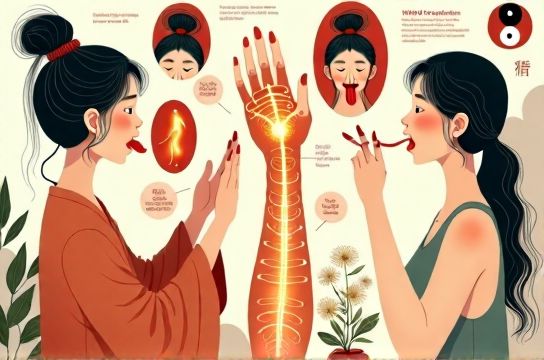
I’ve spent over a decade diving into holistic health practices, and let me tell you — the Chinese approach to body awareness isn’t just mystical mumbo-jumbo. It’s a structured system rooted in observation, pattern recognition, and balance. Think of it like your body’s own dashboard — once you learn how to read it, you can catch imbalances before they turn into full-blown issues.
Why Trust Ancient Methods in a Digital Age?
Modern medicine excels at treating acute conditions, but when it comes to prevention? That’s where traditional systems shine. According to a 2022 WHO report, over 80% of people in Asia use some form of traditional medicine — and for good reason. These methods focus on root causes, not just symptoms.
One of the core ideas in Traditional Chinese Medicine (TCM) is that your body reflects internal health through external signs. No blood draw needed — just your tongue, pulse, energy levels, and daily habits.
3 Practical Self-Diagnosis Tools You Can Try Today
1. Tongue Diagnosis
Your tongue is like a map of your organs. Seriously. A pale tongue? Could mean qi deficiency. Red tip? Heart fire (aka stress overload). Thick yellow coating? Damp-heat — often linked to poor digestion.
| Tongue Appearance | Possible Imbalance | Common Symptoms |
|---|---|---|
| Pale, swollen | Spleen Qi Deficiency | Fatigue, bloating, loose stools |
| Red, dry | Yin Deficiency | Hot flashes, night sweats, insomnia |
| Dark purple | Blood Stasis | Sharp pain, menstrual clots, varicose veins |
Pro tip: Check your tongue first thing in the morning, before eating or brushing. Natural light works best.
2. Pulse Reading Basics
Okay, this one takes practice. TCM practitioners feel 12 pulse positions across both wrists, each linked to an organ. But even as a beginner, you can notice big clues. Is your pulse fast and wiry? Likely liver qi stagnation (hello, anxiety). Slow and weak? Spleen or kidney yang deficiency.
3. Daily Energy & Emotion Tracking
In TCM, emotions are directly tied to organs. Anger ➔ Liver, worry ➔ Spleen, fear ➔ Kidneys. Start journaling: when do you feel irritable? What happens after heavy meals? Patterns will emerge.
For example, if you’re always bloated by 3 PM, it’s not just lunch — it might be weak spleen function. And yes, in TCM, “spleen” doesn’t just mean the organ; it’s a functional system.
Final Thoughts: Knowledge Is Power
You don’t need to become a TCM master overnight. But learning these self diagnosis tools using Traditional Chinese methods gives you a powerful edge. It’s about tuning in — noticing small shifts before they snowball.
Start with one tool. Maybe it’s checking your tongue daily. Or tracking your energy peaks. Over time, you’ll build a personal health profile no app can replicate.
The body speaks — we just need to learn how to listen.