Evaluating Heart Fire Symptoms with TCM Guidelines
- 时间:
- 浏览:148
- 来源:TCM1st
If you've been feeling irritable, struggling to sleep, or noticing mouth ulcers pop up out of nowhere, it might be more than just stress — in Traditional Chinese Medicine (TCM), these could be classic signs of heart fire. As someone who’s spent years diving into holistic health and comparing Eastern and Western approaches, I’m breaking down how to identify and manage heart fire using time-tested TCM guidelines.
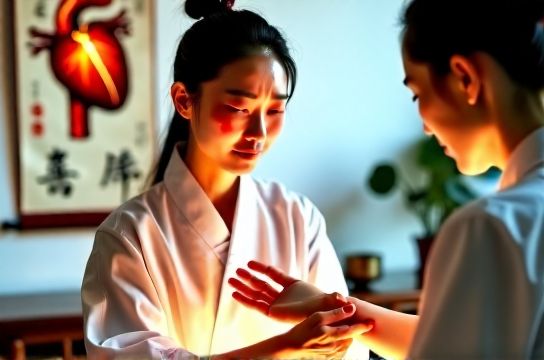
What Exactly Is Heart Fire?
In TCM, the heart isn’t just a pump — it governs mental clarity and emotional balance. When 'fire' rises due to internal imbalances, it leads to what practitioners call heart fire excess (心火亢盛). This isn't about your actual heart being on fire (phew!), but rather an energetic overactivity linked to inflammation, anxiety, and sleep disruption.
Common Symptoms & How to Spot Them
Not sure if what you're experiencing qualifies? Here's a quick-reference table based on clinical TCM diagnostics:
| Symptom | Severity Level (Low to High) | Frequency for Diagnosis |
|---|---|---|
| Insomnia or restless sleep | Medium–High | Daily for ≥1 week |
| Irritability or mood swings | Low–High | Noticeable daily pattern |
| Mouth sores (especially on tongue) | Medium | Recurrent monthly or weekly |
| Red face or feeling of heat | Low–Medium | Episodic, often midday/evening |
| Bitter taste in mouth | Low | Occasional morning occurrence |
If three or more symptoms appear consistently, especially with strong intensity, you’re likely dealing with heart fire. But here's the kicker — Western medicine might label this as anxiety or acid reflux, while TCM treatment targets root causes like diet, emotional strain, or liver-qi stagnation affecting the heart.
Natural Ways to Cool the Flame
Luckily, TCM offers practical lifestyle fixes. Think of it like turning down the thermostat on your nervous system:
- Diet: Avoid spicy, fried, or overly sweet foods. Add cooling ingredients like mung beans, bitter melon, and lotus seed.
- Herbs: Huang Lian (Coptis) is a go-to for clearing heat. Always consult a licensed herbalist before use.
- Acupuncture: Points like HT7 (Shenmen) are clinically shown to reduce anxiety and improve sleep quality.
One study published in the Journal of Acupuncture and Meridian Studies found that patients receiving HT7 stimulation reported a 40% improvement in sleep efficiency within four weeks.
When to Seek Help
While mild cases respond well to self-care, persistent heart fire may signal deeper disharmony. If symptoms last longer than two weeks despite dietary changes, consider seeing a certified TCM practitioner. They’ll assess your pulse, tongue coating, and medical history for a tailored plan.
Bottom line: Don’t dismiss chronic irritability or insomnia as ‘just part of life.’ With tools from ancient wisdom and modern validation, balancing heart fire is totally doable — and could transform your well-being.