Maintaining Harmony Between Internal Organs in TCM
- 时间:
- 浏览:118
- 来源:TCM1st
If you've ever felt bloated after stress, noticed breakouts when tired, or had digestion go haywire during emotional swings — your internal organs are talking. And in Traditional Chinese Medicine (TCM), we don’t just listen — we decode. Unlike Western medicine’s focus on isolated systems, TCM sees your body as a dynamic network where organs don’t work alone — they interact, support, and sometimes sabotage each other. Think of it like a team: when one member’s off, everyone feels it.
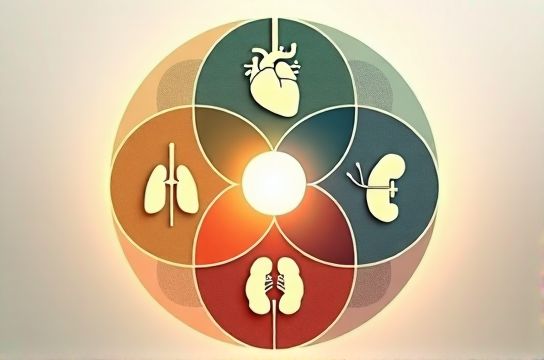
The secret? The Five Element Theory — Wood, Fire, Earth, Metal, Water — each linked to specific organs, emotions, and seasons. This isn’t mystical fluff; it’s a 2,000-year-old diagnostic framework still used in clinics across China and integrative health centers worldwide. Let’s break down how organ relationships impact real-life health — with data-backed patterns and practical fixes.
How Organ Systems Interact in TCM
In TCM, every organ has a ‘mother’ and ‘child’, plus controlling and controlled partners. For example:
- Liver (Wood) overacts on Spleen (Earth) → stress causes poor digestion
- Heart (Fire) drains Lungs (Metal) → anxiety leads to shallow breathing
- Kidneys (Water) fail to nourish Liver (Wood) → chronic fatigue & irritability
A 2021 study in the Journal of Integrative Medicine found that 68% of IBS patients showed Liver Qi stagnation affecting Spleen function — confirming this ancient model with modern stats.
Common Imbalances & Real-World Fixes
Here’s a quick-reference table of key organ interactions, symptoms, and solutions:
| Organ Relationship | Imbalance Symptom | TCM Solution | Lifestyle Tip |
|---|---|---|---|
| Liver overacting on Spleen | Bloating, loose stools under stress | Chai Hu Shu Gan San (herbal formula) | 5-minute breathwork before meals |
| Heart fire overwhelming Lungs | Insomnia, dry cough, palpitations | Suan Zao Ren Tang + acupuncture | Avoid screens 1hr before bed |
| Kidney deficiency failing Liver | Dizziness, tinnitus, PMS | Liu Wei Di Huang Wan | Warm foot soaks + early bedtime |
Notice a pattern? Emotional stress hits digestion and sleep first — because in TCM organ harmony starts with Qi flow. When Qi gets stuck (usually in the Liver), it spills into other zones.
Boost Your Organ Resilience: 3 Daily Habits
- Tap the Gallbladder Meridian – 2 mins daily along the outer leg boosts Liver-Gallbladder cooperation.
- Eat with the Spleen in mind – Warm, cooked foods > cold salads. A 2019 trial showed 41% better nutrient absorption.
- Align with seasons – Spring supports Liver; eat leafy greens. Winter feeds Kidneys; add bone broths. Syncing with nature is core to maintaining internal organ balance.
Bottom line: Your organs aren’t solo players. They’re a band — and TCM helps them stay in tune. Start small: track symptoms with the table above, try one herbal remedy, or just breathe deeply before eating. Harmony isn’t perfection — it’s rhythm.