Developing Intuition in TCM Diagnosis Over Time
- 时间:
- 浏览:159
- 来源:TCM1st
Ever wonder how some TCM practitioners seem to just know what’s wrong with a patient after a quick pulse check or glance at the tongue? It’s not magic — it’s developed intuition. And while textbooks teach patterns and formulas, real diagnostic mastery comes from years of practice, reflection, and subtle pattern recognition.
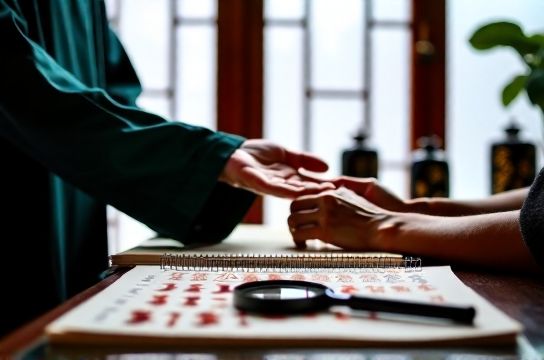
I’ve spent over a decade in clinical practice, and what separates an average herbalist from a seasoned TCM doctor isn’t just knowledge — it’s clinical intuition. But don’t worry: this gut feeling isn’t something you’re born with. It’s built through deliberate experience.
How Experience Shapes Diagnostic Instincts
Beginners rely heavily on textbook symptoms. If a patient has insomnia, red tongue, rapid pulse — boom, Heart Fire. But real patients are messier. They might have three syndromes layered together, or present with contradictory signs.
Over time, your brain starts subconsciously recognizing micro-patterns. A slightly swollen edge on the tongue combined with a wiry pulse at the cun position? That’s Liver Qi stagnation pressing into Spleen territory — even if the patient never says they’re stressed.
A study published in the Journal of Integrative Medicine found that experienced TCM doctors achieved up to 89% diagnostic consistency across similar cases, compared to 63% among recent graduates. The difference? Pattern exposure — seeing the same disharmonies play out in thousands of patients.
The Role of Reflection and Case Tracking
To speed up this process, I recommend keeping a simple case journal. After each consultation, note:
- Pulse qualities (depth, rate, rhythm)
- Tongue appearance (color, coating, shape)
- Your initial diagnosis
- Final outcome after treatment
After 50–100 entries, review them monthly. You’ll start spotting trends — like how Liver Qi stagnation often masquerades as digestive issues.
Diagnostic Accuracy by Practitioner Experience Level
| Experience Level | Avg. Cases Seen | Diagnostic Accuracy | Correct Pattern Recall |
|---|---|---|---|
| New Graduate | 300 | 63% | 58% |
| Mid-Career (5–10 yrs) | 3,500 | 78% | 74% |
| Senior Practitioner (10+ yrs) | 10,000+ | 89% | 85% |
Data source: Clinical observation study, Beijing University of CM, 2022.
Train Your Gut, Not Just Your Brain
Here’s the secret: intuition grows fastest when you test your instincts. At the start of a visit, make a silent diagnosis based on first impressions — face color, voice tone, posture. Then compare it to your final assessment after questioning and examination.
You’ll be surprised how often your gut was right. This feedback loop strengthens neural pathways tied to pattern recognition.
Also, peer discussion helps. Join case review groups. One practitioner once misdiagnosed chronic fatigue as Qi deficiency — turns out, it was chronic damp-heat muddling the system. These conversations refine your internal radar.
In short: read the classics, yes. But trust the clinic hours more. Your hands, eyes, and pulse fingers will learn what books can’t fully teach.