Harmonizing Lung and Large Intestine in Respiratory Wellness
- 时间:
- 浏览:137
- 来源:TCM1st
If you've been digging into holistic health or traditional healing systems like Traditional Chinese Medicine (TCM), you might’ve come across a surprising connection: the lung and large intestine are deeply linked. And no, this isn’t just poetic metaphor—it’s a functional relationship with real implications for your respiratory wellness and overall vitality.
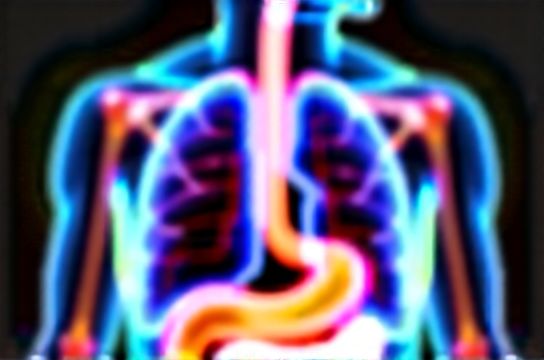
In TCM, organs don’t work in isolation. Instead, they’re paired based on energetic pathways called meridians. The lung is paired with the large intestine, forming what’s known as the Metal element duo. This pairing suggests that when one system is off, the other often follows suit. So if you're struggling with chronic congestion, asthma flare-ups, or even seasonal allergies, it might be time to look beyond inhalers and antihistamines—and consider your gut health.
Why the Lung–Large Intestine Connection Matters
The lung governs respiration and the immune barrier, while the large intestine manages elimination and fluid balance. In TCM theory, both organs are responsible for 'descending energy'—the body’s ability to let go. The lungs inhale oxygen but must also exhale waste gases; the large intestine absorbs nutrients but must efficiently expel toxins. When either process stalls, stagnation occurs—leading to phlegm buildup, dry coughs, constipation, or bloating.
Modern science is starting to back this up. Research shows that gut dysbiosis (an imbalance in gut bacteria) correlates with increased inflammation in the airways. A 2021 study published in Gut Microbes found that patients with asthma had significantly lower diversity in their gut microbiome compared to healthy controls. Another study in Nature Communications linked high-fiber diets—which support colon health—to reduced severity of allergic airway disease in mice.
Data That Connects Gut Health to Breathing
Check out this breakdown of key findings linking digestive and respiratory health:
| Study Focus | Key Finding | Source |
|---|---|---|
| Gut Microbiome & Asthma | Lower microbial diversity in asthmatics | Gut Microbes, 2021 |
| High-Fiber Diet | Reduced airway inflammation in animal models | Nature Comm, 2020 |
| Probiotic Supplementation | Fewer respiratory infections in children | Pediatrics, 2019 |
Practical Ways to Support Both Systems
So how do you actually harmonize lung and large intestine? Start with daily habits:
- Eat more fiber: Aim for 30g/day from vegetables, legumes, and whole grains. Fiber feeds good gut bacteria, which in turn produce short-chain fatty acids (SCFAs) like butyrate—known to reduce lung inflammation.
- Stay hydrated: Water keeps mucus thin in the lungs and prevents constipation. Warm lemon water in the morning supports both detoxification and peristalsis.
- Breathe mindfully: Deep diaphragmatic breathing massages the intestines and enhances oxygen exchange—try 5 minutes of box breathing daily.
- Consider probiotics: Strains like Lactobacillus rhamnosus GG have shown promise in reducing respiratory symptoms, especially in kids.
And don’t overlook emotional health. In TCM, the lung is tied to grief, while the large intestine is linked to letting go. Holding onto stress or unresolved emotions can literally slow down digestion and shallow your breath. Journaling, therapy, or even regular sauna sessions (which promote sweating and detox) can help reset both systems.
Ultimately, true respiratory wellness isn’t just about clear airways—it’s about creating internal harmony. By supporting your lung and large intestine as a dynamic pair, you’re not just treating symptoms. You’re building resilience from the inside out.