A Guide to the Twelve Regular Meridians and Their Functions
- 时间:
- 浏览:168
- 来源:TCM1st
If you're diving into traditional Chinese medicine (TCM), one of the first—and most fascinating—concepts you’ll encounter is the twelve regular meridians. Think of them as the body’s energy highways, carrying qi (vital energy) to keep everything in balance. But what exactly are they, how do they work, and why should you care? Let’s break it down in plain English—with a little science and a lot of practical insight.
What Are the Twelve Regular Meridians?
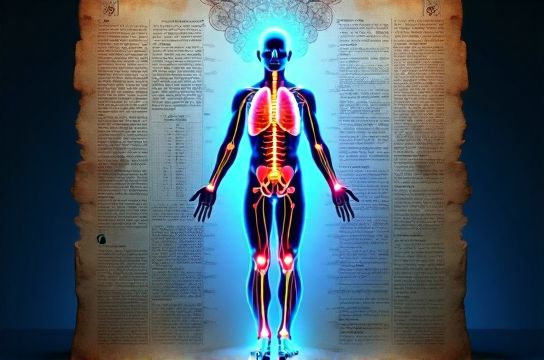
In TCM, the body isn’t just muscles and bones—it’s an energetic network. The twelve regular meridians are paired pathways linked to specific organs, each governing both physical and emotional functions. They’re divided into six yin and six yang channels, running bilaterally along your arms and legs.
Here’s the kicker: these aren’t anatomical structures you can see on an MRI. They’re functional—mapped through centuries of observation. And modern studies using bioelectric impedance and thermal imaging have found patterns that align surprisingly well with these ancient maps (Journal of Acupuncture and Meridian Studies, 2020).
The Meridian Lineup: Who’s Who?
Each meridian connects to an organ system and follows a two-hour peak activity cycle in the Chinese Body Clock. Here’s a quick-reference table:
| Meridian | Organ | Yin/Yang | Peak Time | Key Functions |
|---|---|---|---|---|
| Lung | Lung | Yin | 3–5 AM | Regulates qi, controls respiration |
| Large Intestine | Colon | Yang | 5–7 AM | Elimination, immune support |
| Stomach | Stomach | Yang | 7–9 AM | Digestion, nutrient absorption |
| Spleen | Spleen/Pancreas | Yin | 9–11 AM | Transforms food, supports immunity |
| Heart | Heart | Yin | 11 AM–1 PM | Controls blood, houses the mind |
| Small Intestine | Small Intestine | Yang | 1–3 PM | Nutrient separation, mental clarity |
(The remaining six—Bladder, Kidney, Pericardium, Triple Burner, Gallbladder, and Liver—follow the same pattern, completing the 24-hour cycle.)
Why This Matters for Your Health
Ever feel sluggish at 3 AM? That might be your lung meridian struggling—often tied to grief or respiratory issues. Or maybe you get hangry at 7 AM? Blame your stomach meridian kicking in without fuel.
Clinically, acupuncturists use meridian imbalances to diagnose issues. For example, chronic shoulder pain along the large intestine meridian could point to digestive stagnation. A 2021 study showed acupuncture on the LI4 point improved bowel function in 68% of IBS patients.
How to Support Your Meridians Daily
- Time-based routines: Eat breakfast by 9 AM to support spleen energy.
- Acupressure: Press LI4 (hand) or LV3 (foot) for headaches or stress.
- Mind-body practices: Qigong and tai chi enhance meridian flow.
The takeaway? These meridians aren’t mystical—they’re a functional map backed by observable results. Whether you’re into holistic health or just curious, understanding your twelve regular meridians gives you a powerful lens to optimize wellness.