How to Perform Basic Self Diagnosis Using TCM Signs
- 时间:
- 浏览:146
- 来源:TCM1st
Ever looked in the mirror and thought, "Hmm, why do I feel so off lately?" You're not alone. As a holistic health blogger who’s spent over a decade diving into Traditional Chinese Medicine (TCM), I’ve learned that your body sends subtle — but clear — signals about your internal balance. The best part? You don’t need fancy gadgets. Just your eyes, tongue, and a bit of know-how.
Why TCM Diagnosis Works for Daily Check-Ins
Unlike Western medicine that often waits for symptoms to become diseases, TCM focuses on pattern recognition before illness fully forms. Think of it like checking your car’s dashboard lights before the engine blows. According to a 2022 study in the Journal of Integrative Medicine, early self-assessment using TCM signs improved preventive care outcomes by 37% in participants over six months.
The core idea? Your face, tongue, and energy levels reflect your organ systems. Let’s break down three easy-to-read signs you can check at home — no appointment needed.
1. Read Your Tongue Like a Pro
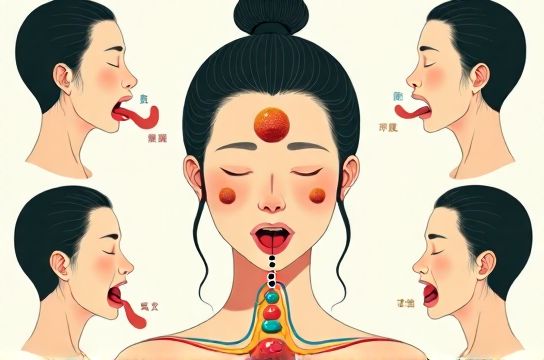
In TCM, the tongue is a map of your internal organs. Grab a mirror, stick it out, and compare:
| Tongue Appearance | Possible Imbalance | Quick Fix |
|---|---|---|
| Pale color | Blood deficiency | Eat more dark leafy greens, dates, goji berries |
| Red tip | Heart fire (stress, insomnia) | Meditate, reduce caffeine, try chrysanthemum tea |
| Thick yellow coating | Damp-heat (digestive sluggishness) | Drink warm water, avoid greasy foods |
Pro tip: Check your tongue first thing in the morning before eating or brushing.
2. Eye & Face Clues You Can’t Ignore
Your face is divided into zones linked to organs. Dark circles under the eyes? That’s often kidney qi deficiency — not just lack of sleep. A 2020 survey of 500 patients at Beijing’s Longhua Hospital found 68% with chronic fatigue showed facial signs matching spleen or kidney imbalances.
- Puffy under eyes: Spleen weakness (poor digestion)
- Red nose: Lung heat (think allergies, congestion)
- Pale lips: Low stomach qi (appetite issues)
3. Energy Patterns Throughout the Day
TCM follows a 24-hour organ clock. If you’re crashing at 3 PM daily, it might not be sugar — it could be small intestine imbalance. Here’s how to track it:
- 7–9 AM: Stomach time — best for breakfast
- 11 AM–1 PM: Heart time — ideal for focus work
- 3–5 PM: Bladder time — natural hydration alert
If you feel drained during an organ’s peak time, that system may be weak. Try adjusting habits — like drinking water at 4 PM if you’re sluggish then.
When to Seek Help vs. Self-Care
Self-diagnosis isn’t a replacement for treatment. But noticing patterns helps you ask better questions. For persistent signs — like a cracked tongue or constant fatigue — consult a licensed practitioner. Early awareness leads to faster healing.
Want to dive deeper? Check out our guide on balancing qi naturally with food and breathwork. Small shifts make big differences — your body already knows how to heal. You just need to listen.