What Is Internal Dampness According to Chinese Medicine
- 时间:
- 浏览:156
- 来源:TCM1st
If you've ever felt sluggish, bloated, or like your body was moving through mud—especially after eating certain foods—you might be dealing with what Traditional Chinese Medicine (TCM) calls internal dampness. It’s not just a poetic phrase; it’s a real diagnostic pattern that affects millions, and understanding it could be the key to feeling lighter, clearer, and more energized.
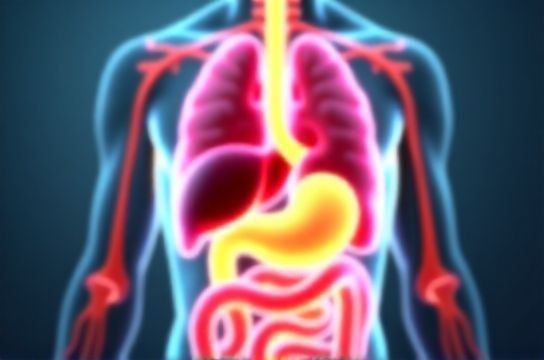
So, What Exactly Is Internal Dampness?
In TCM, internal dampness isn’t about humidity in the air—it’s a buildup of metabolic waste and fluid imbalance inside the body. Think of it like a clogged drainage system. When your Spleen Qi (yes, capitalized—because in TCM, the Spleen does way more than in Western medicine) weakens, it fails to transform fluids properly. The result? Sticky, heavy stagnation that shows up as bloating, brain fog, loose stools, or even acne and edema.
This condition is super common today—thanks to diets high in sugar, dairy, fried foods, and irregular eating habits. In fact, a 2021 clinical survey in the Journal of Integrative Medicine found that over 68% of patients visiting TCM clinics for digestive issues showed signs of dampness patterns.
Spot the Signs: Is It Dampness?
You’re not imagining it. Here’s a quick-reference table based on TCM diagnostics:
| Symptom | Common Cause (TCM View) | Western Correlation |
|---|---|---|
| Heavy limbs, lethargy | Spleen Qi deficiency | Chronic fatigue, fibromyalgia |
| Bloating after meals | Dampness obstructing digestion | Irritable bowel syndrome (IBS) |
| Thick tongue coating | Fluid stagnation | Gut dysbiosis |
| Mucousy stool | Excess damp-phlegm | Leaky gut, food sensitivities |
Notice how these overlap with modern diagnoses? That’s no accident. While Western medicine treats symptoms, TCM digs into root causes—and internal dampness is often at the core.
How to Clear Dampness Naturally
The good news? You can start reversing it today. Focus on three pillars:
- Diet: Cut back on damp-producing foods—dairy, sugar, raw & cold foods, alcohol. Swap in warming, easy-to-digest options like congee, roasted veggies, and herbs like ginger and coriander.
- Lifestyle: Move your body daily. Qi Gong or walking after meals boosts Spleen function and prevents stagnation.
- Herbs: Classic formulas like Er Chen Tang (Two-Aged Decoction) are clinically used to resolve phlegm-dampness. Always consult a licensed practitioner before starting any formula.
One study published in Chinese Herbal Medicine showed that patients using herbal therapy combined with dietary changes reduced dampness symptoms by 74% within 8 weeks.
Why This Matters Now
In our fast-food, sedentary world, Spleen Qi weakness is epidemic. But instead of reaching for another probiotic or antacid, consider this: maybe your body needs energetic support, not just biochemical fixes.
Internal dampness isn’t mystical—it’s metabolic. And once you learn to recognize it, you gain serious power over your health.