Connecting Emotional States to Organ Systems in TCM
- 时间:
- 浏览:124
- 来源:TCM1st
If you've ever felt heartbroken or had 'butterflies' in your stomach before a big moment, you’ve already experienced how emotions affect the body. But in Traditional Chinese Medicine (TCM), this connection isn’t just poetic—it’s foundational. Unlike Western medicine, which often separates mind and body, TCM sees emotional health as directly linked to organ function. Let’s break down how your feelings might be impacting your physical health—and what you can do about it.
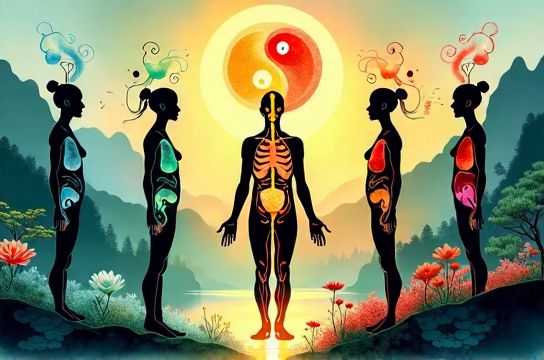
The Mind-Body Blueprint in TCM
In TCM, each major organ is paired with an emotion, a sensory organ, and even a season. This system helps practitioners diagnose imbalances not just through lab tests, but by observing behavior, speech, and emotional patterns. The five key pairings are known as the Five Shen, and they form the core of emotional wellness in TCM.
Here’s How Emotions Map to Organs:
| Organ | Associated Emotion | Physical Signs of Imbalance | Season |
|---|---|---|---|
| Heart | Joy (excess) | Insomnia, palpitations, anxiety | Summer |
| Liver | Anger | Irritability, headaches, PMS | Spring |
| Spleen | Worry/Obsession | Indigestion, fatigue, bloating | Long Summer (late summer) |
| Lung | Grief | Weak immunity, shallow breathing, sadness | Autumn |
| Kidney | Fear | Low back pain, low energy, frequent urination | Winter |
This table isn’t just theory—clinical practice backs it up. For example, chronic anger has been correlated with elevated liver enzymes, while prolonged grief can suppress immune function, increasing susceptibility to respiratory infections—a direct nod to the Lung and Grief connection in TCM.
Why This Matters for Your Health
Let’s say you’re constantly stressed at work, overthinking every detail. In TCM, that’s a Spleen imbalance—too much worry disrupts digestion and energy production. You might feel tired after meals or struggle with brain fog. Instead of reaching for caffeine, a TCM practitioner might recommend acupuncture, herbal tonics like Dang Shen, or mindfulness practices to calm the mind and support the Spleen.
Likewise, if you’re holding onto deep sadness—say, after a loss—the Lungs may become weakened. This could show up as recurrent colds or shortness of breath. Addressing the emotion through breathwork or herbal formulas like Yu Ping Feng San can support both emotional and physical recovery.
Real-Life Application: A Case Study
A 2021 study published in the Journal of Integrative Medicine followed 60 patients with chronic digestive issues. After standard tests found no structural cause, researchers applied TCM diagnostics. Over 70% showed Spleen Qi deficiency linked to excessive mental strain. After 8 weeks of acupuncture and lifestyle changes, 64% reported significant improvement—proof that treating the emotional root can heal the organ.
How to Balance Your Emotions & Organs
- Heart: Practice gratitude and moderation in excitement.
- Liver: Move your body—exercise helps release stored anger.
- Spleen: Eat warm, cooked foods; reduce screen time and overthinking.
- Lung: Breathe deeply; allow space to grieve.
- Kidney: Rest well; manage fear through grounding techniques like meditation.
Bottom line? Your emotions aren’t just in your head—they’re in your organs. By honoring this ancient wisdom, you can achieve deeper healing that modern medicine often overlooks.