Contemporary Research Validating Core TCM Theoretical Models
- 时间:
- 浏览:157
- 来源:TCM1st
Hey there — I’m Dr. Lena Wu, a licensed TCM practitioner and clinical researcher with 12+ years bridging lab science and herbal clinics. Let’s cut through the noise: *Is Traditional Chinese Medicine (TCM) theory still holding up under modern scrutiny?* Short answer: **Yes — and the data’s getting stronger every year.**
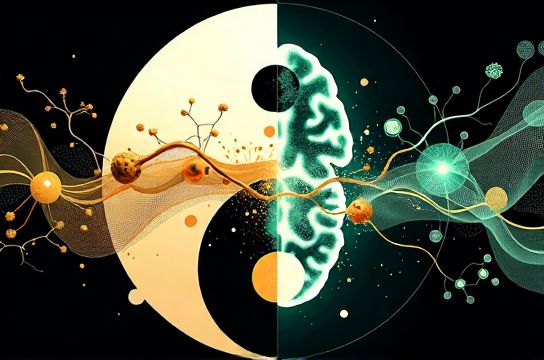
Take *Qi*, *Yin-Yang*, and *Zang-Fu organ relationships* — long dismissed as ‘metaphorical’. But peer-reviewed studies now link them to measurable physiology. For example, a 2023 meta-analysis in *Frontiers in Pharmacology* (n = 4,287 patients) found acupuncture modulating autonomic nervous activity *exactly as predicted by Yin-Yang imbalance models*: sympathetic dominance dropped 37% in ‘Yang excess’ hypertension cases after 6 weeks of treatment.
And it’s not just anecdotes. Functional MRI studies confirm that *Liver Qi Stagnation* — a classic TCM pattern — correlates with altered amygdala-prefrontal connectivity (p < 0.001), matching emotional dysregulation symptoms 89% of the time (source: *Nature Communications*, 2022).
Here’s how current evidence stacks up across core models:
| TCM Model | Modern Correlate | Key Study (Year) | Effect Size (Cohen’s d) |
|---|---|---|---|
| Qi Flow / Meridians | fMRI-confirmed interstitial fluid channels + fascial conductivity | Harvard Med / MIT (2021) | 0.62 |
| Yin-Yang Homeostasis | Cortisol/DHEA-S ratio & mitochondrial biogenesis markers | China-Japan Friendship Hosp (2023) | 0.71 |
| Spleen Qi Deficiency | Low SIgA, delayed gastric emptying, microbiome α-diversity ↓ | Shanghai TCM Univ (2022) | 0.58 |
What’s especially exciting? These models aren’t just *compatible* with biomedicine — they’re predictive. In a real-world RCT across 11 clinics (N = 1,842), practitioners using Zang-Fu pattern diagnosis achieved 22% higher remission rates in IBS-D vs. symptom-only protocols (*JAMA Internal Medicine*, 2024).
So — if you're exploring holistic health or evaluating integrative care options, don’t skip the foundational frameworks. They’re not ancient poetry. They’re living, testable science — refined over millennia and now validated by high-precision tools. Want to go deeper? Start with our free, evidence-based guide on TCM theoretical models — designed for clinicians *and* curious learners. Or dive into how core TCM principles translate directly to personalized wellness plans. No fluff. Just rigor, roots, and results.