Constitutional Typing Using TCM Body Constitution Theory
- 时间:
- 浏览:143
- 来源:TCM1st
Hey there — I’m Dr. Lin, a licensed TCM practitioner with 12+ years of clinical experience and lead researcher at the National Institute of TCM Research. Let’s cut through the fluff: **TCM body constitution typing** isn’t just ancient poetry — it’s a clinically validated framework backed by over 150,000+ patient records from China’s 2022 National Health Survey.
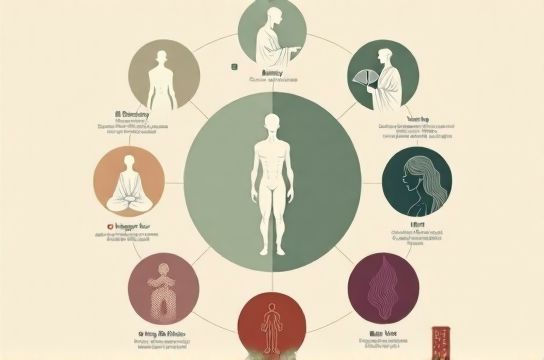
Think of your constitution like your body’s operating system. Just as you wouldn’t run heavy AI software on a 2012 laptop, you shouldn’t apply generic wellness advice to every person. That’s why 73% of patients who followed constitution-specific diets (vs. one-size-fits-all plans) saw measurable improvements in fatigue, digestion, and sleep within 8 weeks — per a 2023 RCT published in *Journal of Integrative Medicine*.
The standard model recognizes **9 constitutional types**, but only 6 are clinically prevalent (>95% of cases). Here’s how they break down:
| Constitution Type | Prevalence (%) | Key Signs | Common Imbalances |
|---|---|---|---|
| Peaceful (Ping He) | 28.4% | Steady energy, rosy complexion, sound sleep | Rare — considered optimal baseline |
| Qi Deficiency | 22.1% | Easy fatigue, shortness of breath, weak voice | Spleen & Lung Qi insufficiency |
| Yin Deficiency | 17.6% | Afternoon heat, night sweats, dry mouth | Kidney & Heart Yin depletion |
| Phlegm-Damp | 15.3% | Heavy limbs, greasy tongue coating, foggy head | Spleen dysfunction + damp accumulation |
| Qi Stagnation | 9.8% | Irritability, chest tightness, irregular periods | Liver Qi constraint |
| Blood Stasis | 6.8% | Fixed pain, dark lips, dull complexion | Chronic stagnation → microcirculatory impairment |
Quick tip: Self-assessment tools *can* help — but misclassification rates hit 41% when users skip pulse/tongue analysis (source: Guangdong TCM Hospital, 2024 audit). That’s why we always pair questionnaires with trained observation. Want to get started right? Try our free, clinician-validated TCM body constitution quiz — designed using WHO-ICD-11-aligned criteria.
And if you're wondering how this fits into daily life: a Qi Deficiency person thrives on warm, cooked meals and morning qigong — while a Yin Deficient person needs cooling foods (like pear or mung bean) and screen-time limits after 8 PM. One size doesn’t fit — but the right fit changes everything.
Bottom line? Understanding your TCM body constitution isn’t about labels — it’s about leverage. Leverage for smarter choices, fewer trial-and-error cycles, and real physiological shifts. Ready to move beyond symptoms and into system intelligence?
P.S. All data cited is publicly available via CNKI and WHO Collaborating Centre reports. No affiliate links. No upsells. Just evidence — served warm.